
The Objects of Othering | Master’s Thesis
The Objects of Othering, The Othering of Objects thesis project is designed as an exhibition proposal that, through the use of five everyday objects, explores the ways one navigates the complexities that arise due to the construction of the Other, and the Other’s refusal to accept the boundaries placed upon them by those in power. Each object reveals aspects of society’s viewing and treatment of the Other, such as erasure and displacement while challenging the gaze and aesthetic norms and celebrates identity and the self.
To view the project in its video format, please the button below.
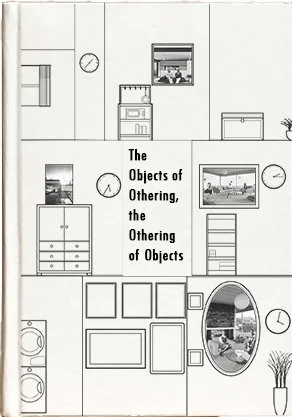
The Objects of Othering, the Othering of objects consists of five types of everyday objects that tend to be looked over, going unnoticed, until needed.
Each object navigates the complex web of Otherness in society.
The exhibit examines topics on the construction of the Other, such as erasure, exclusion, and displacement, while simultaneously highlighting the Other’s refusal to accept the boundaries placed upon them by shifting the gaze, challenging aesthetic norms, and celebrating their cultivated identities.
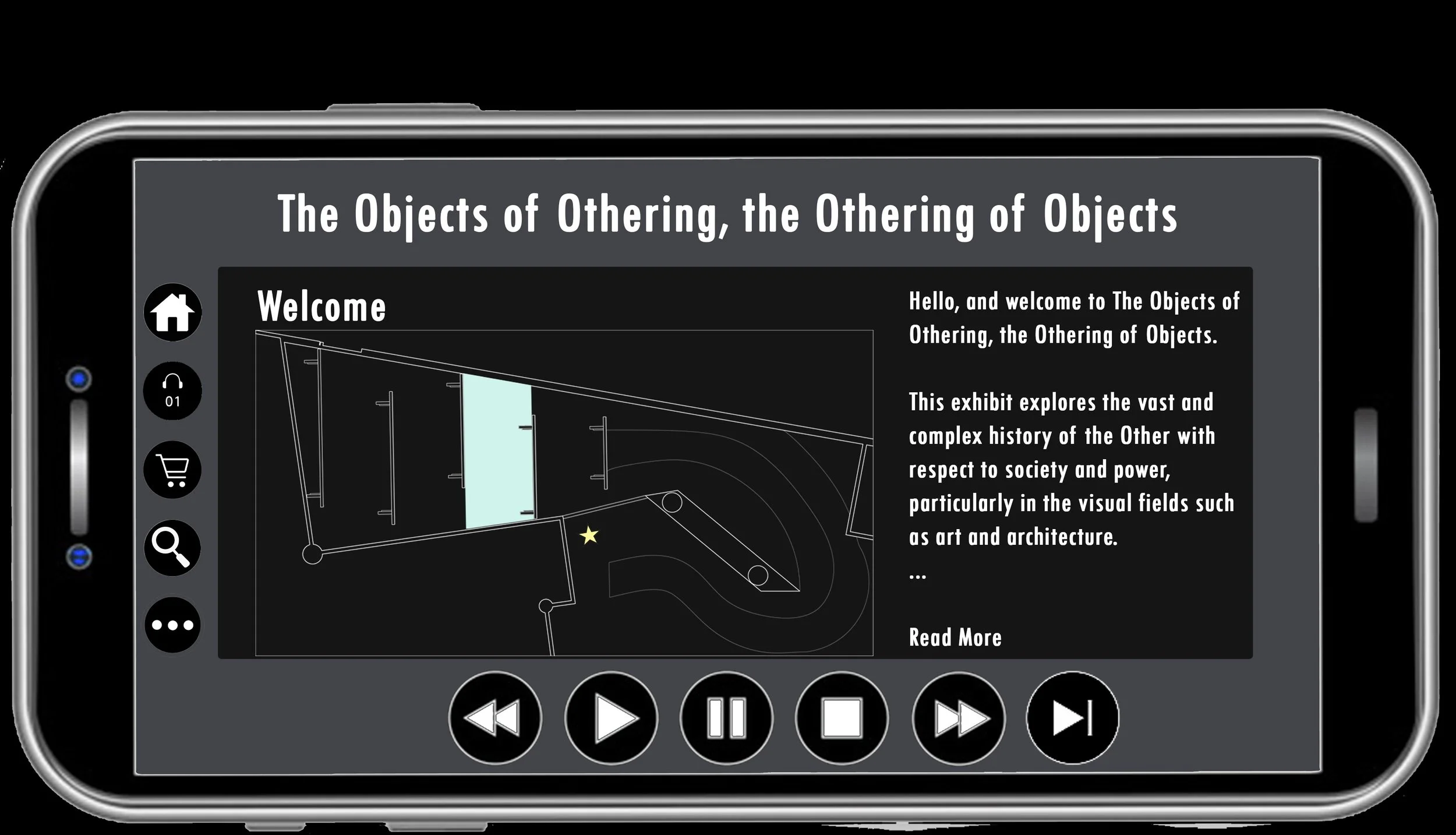
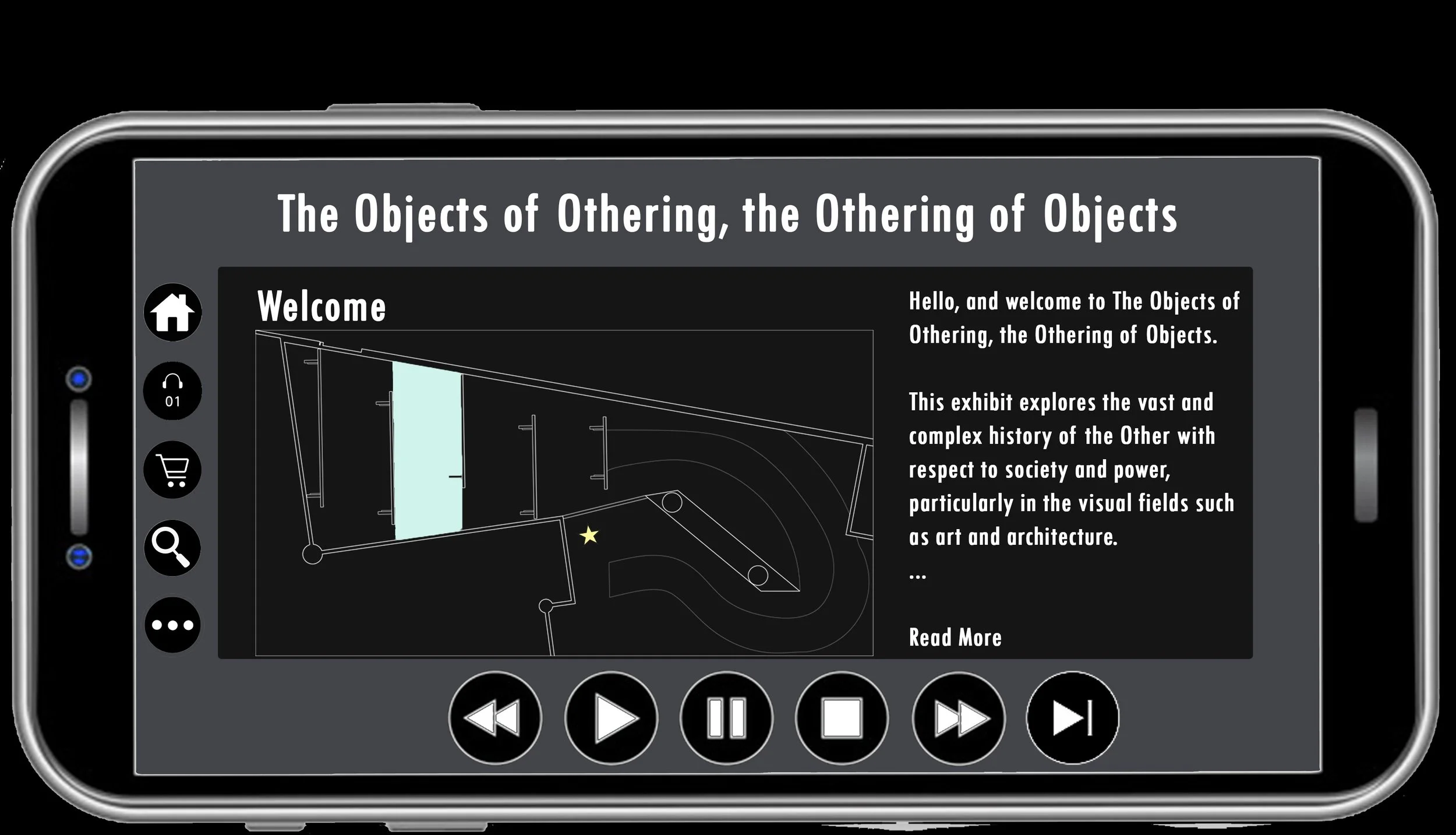
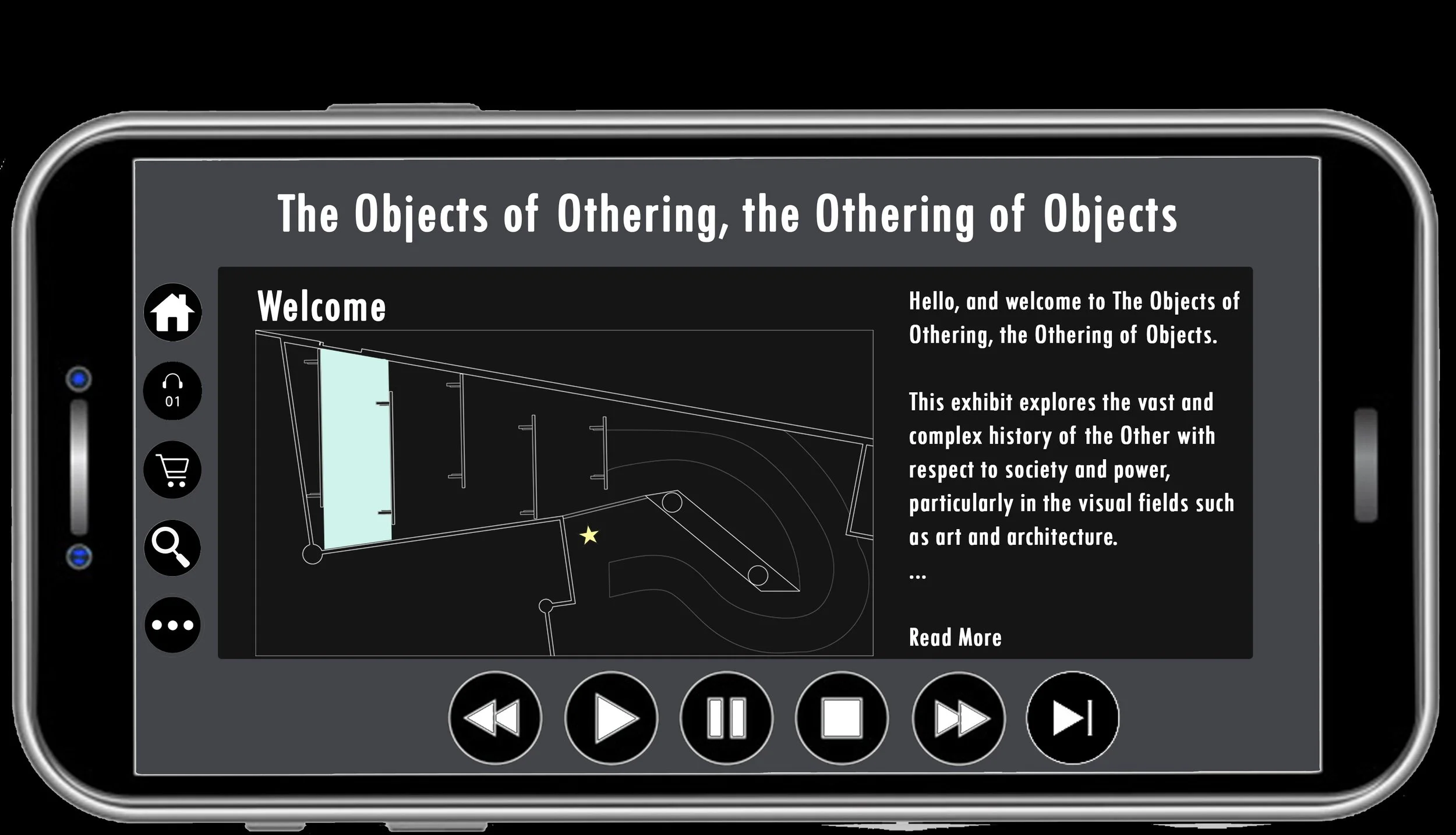
As you move through the exhibit, you may start, pause, or stop at anytime.
For more information, click “Read More”.
When you are ready to proceed through the exhibit, please click “next,” or you may select the corresponding room on the map.
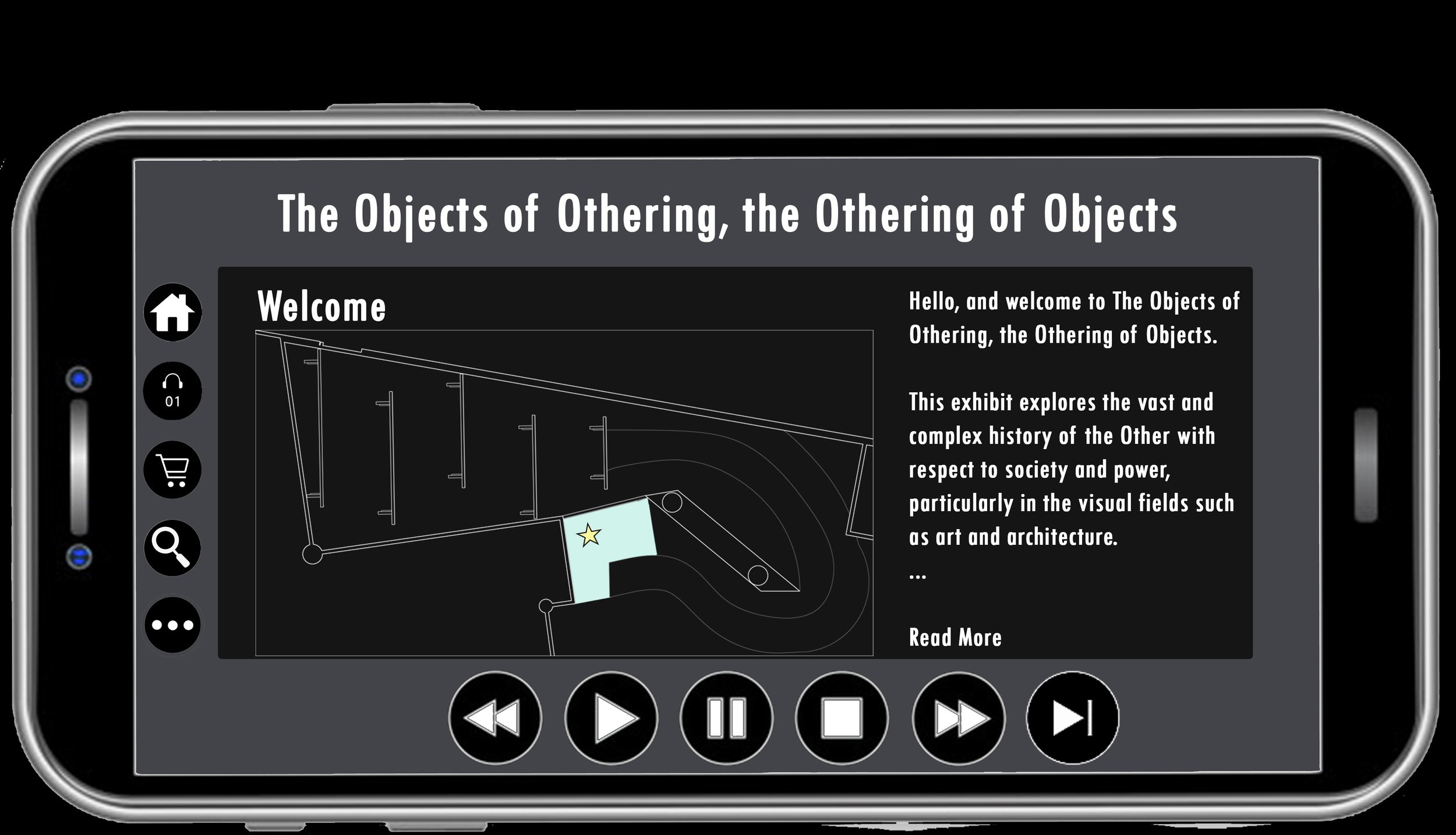
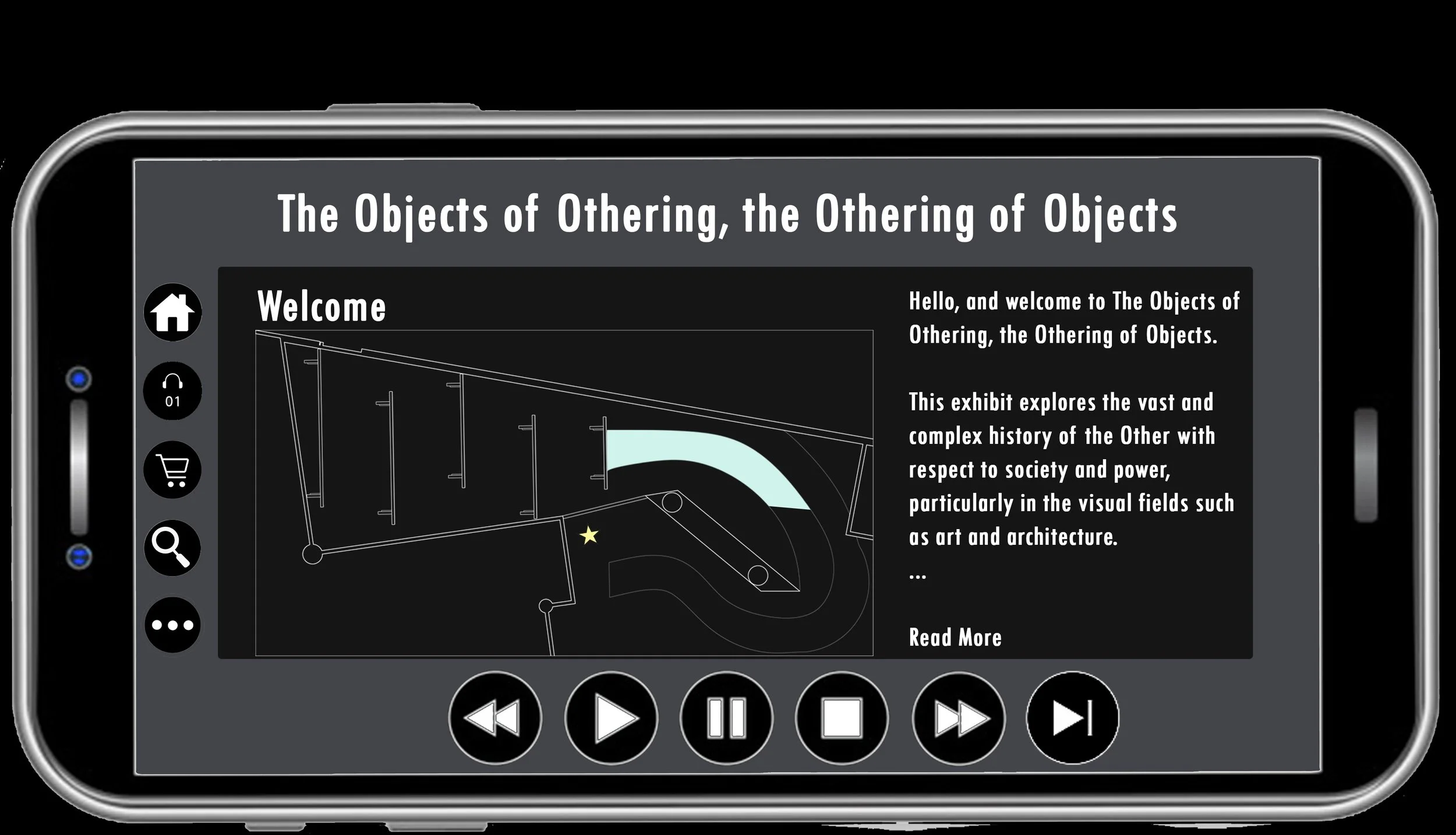
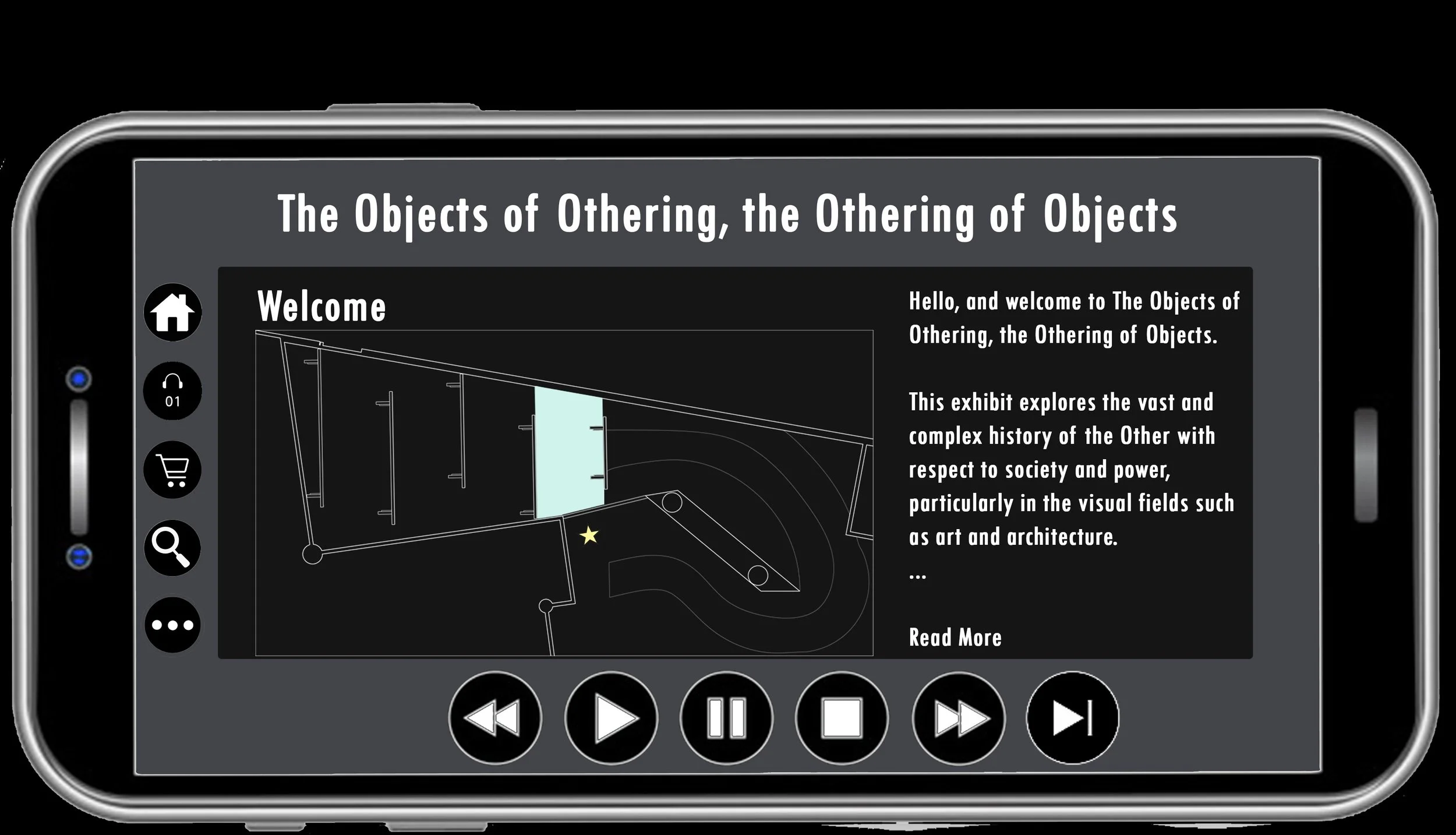
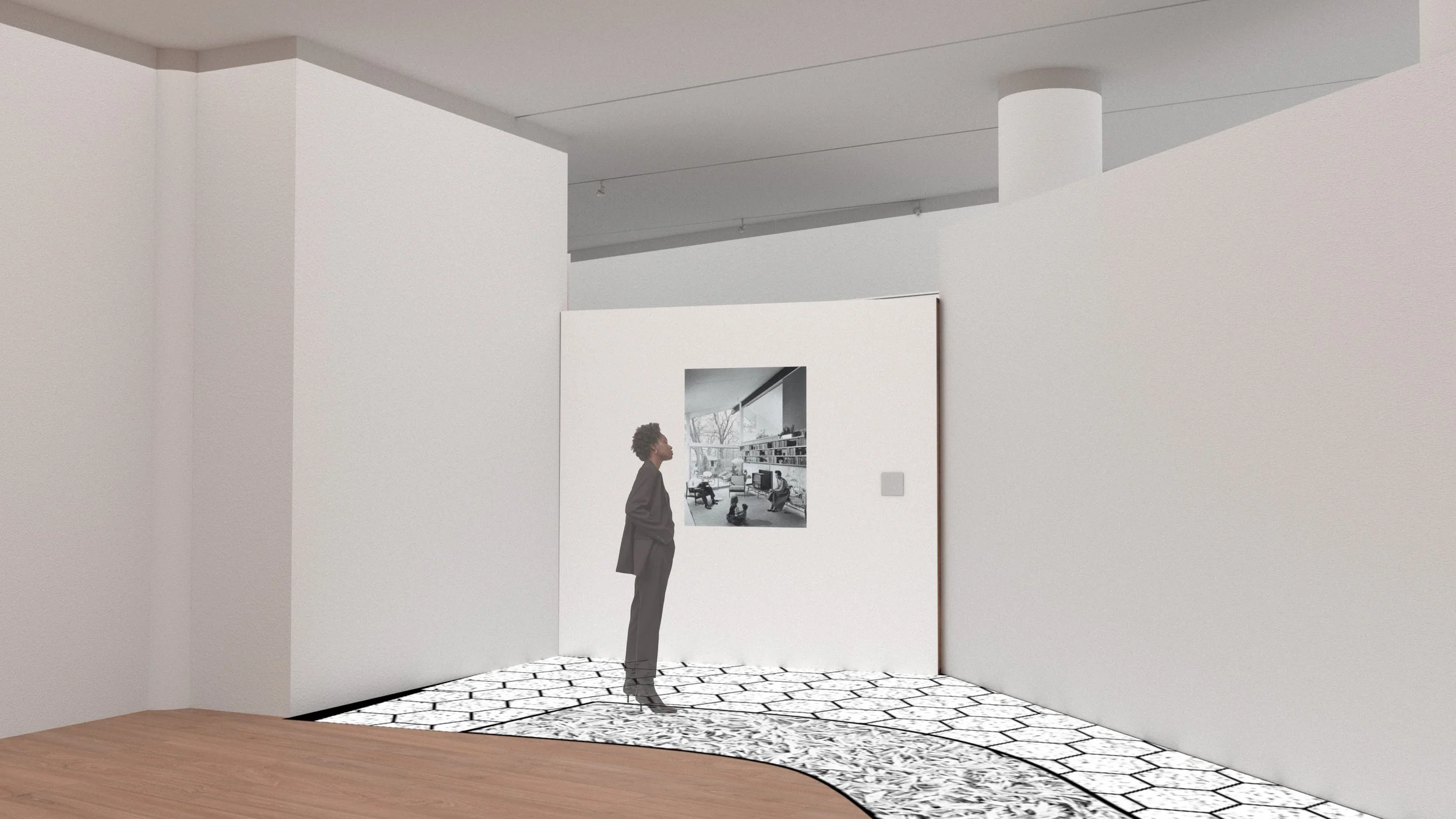
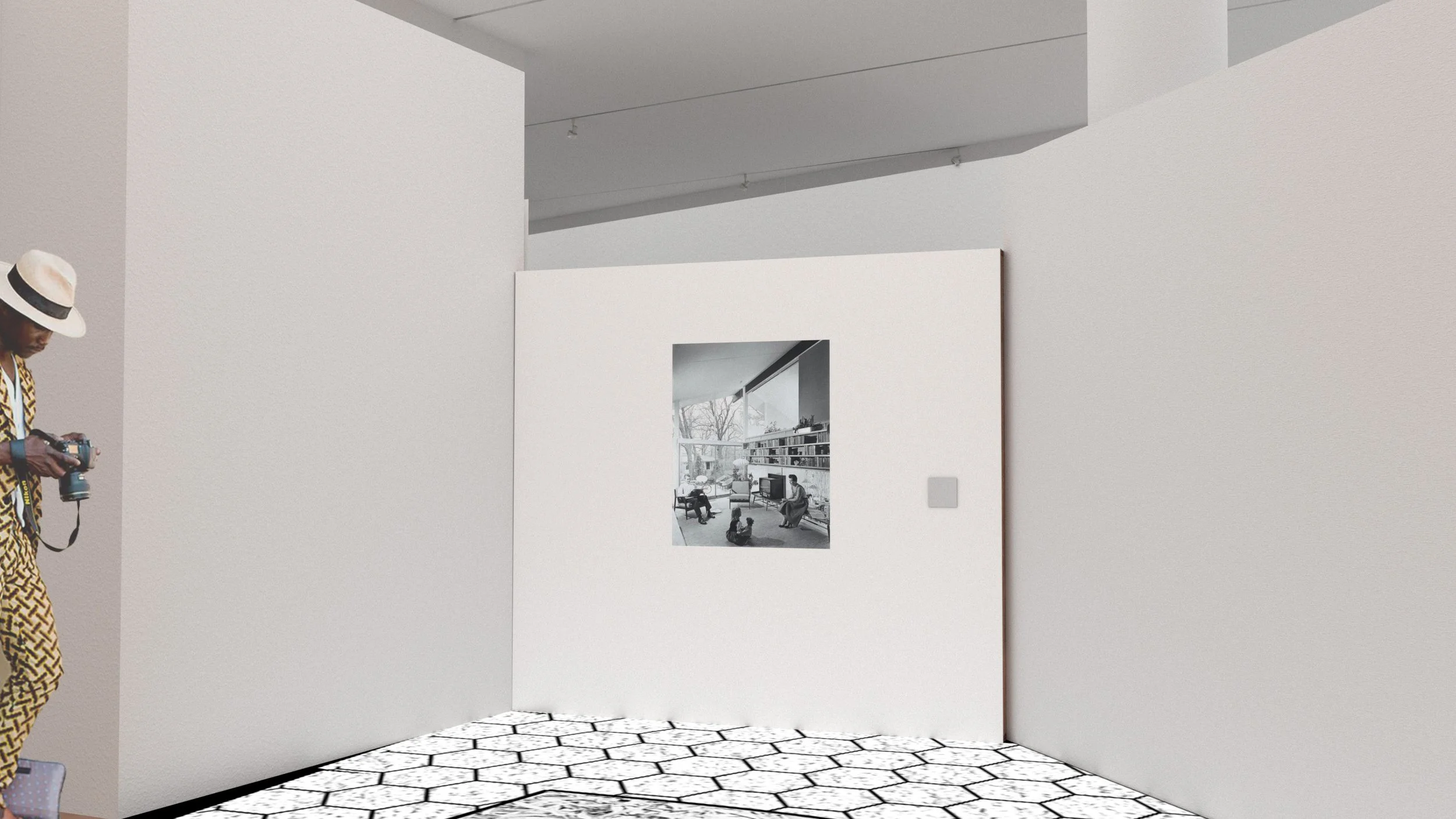
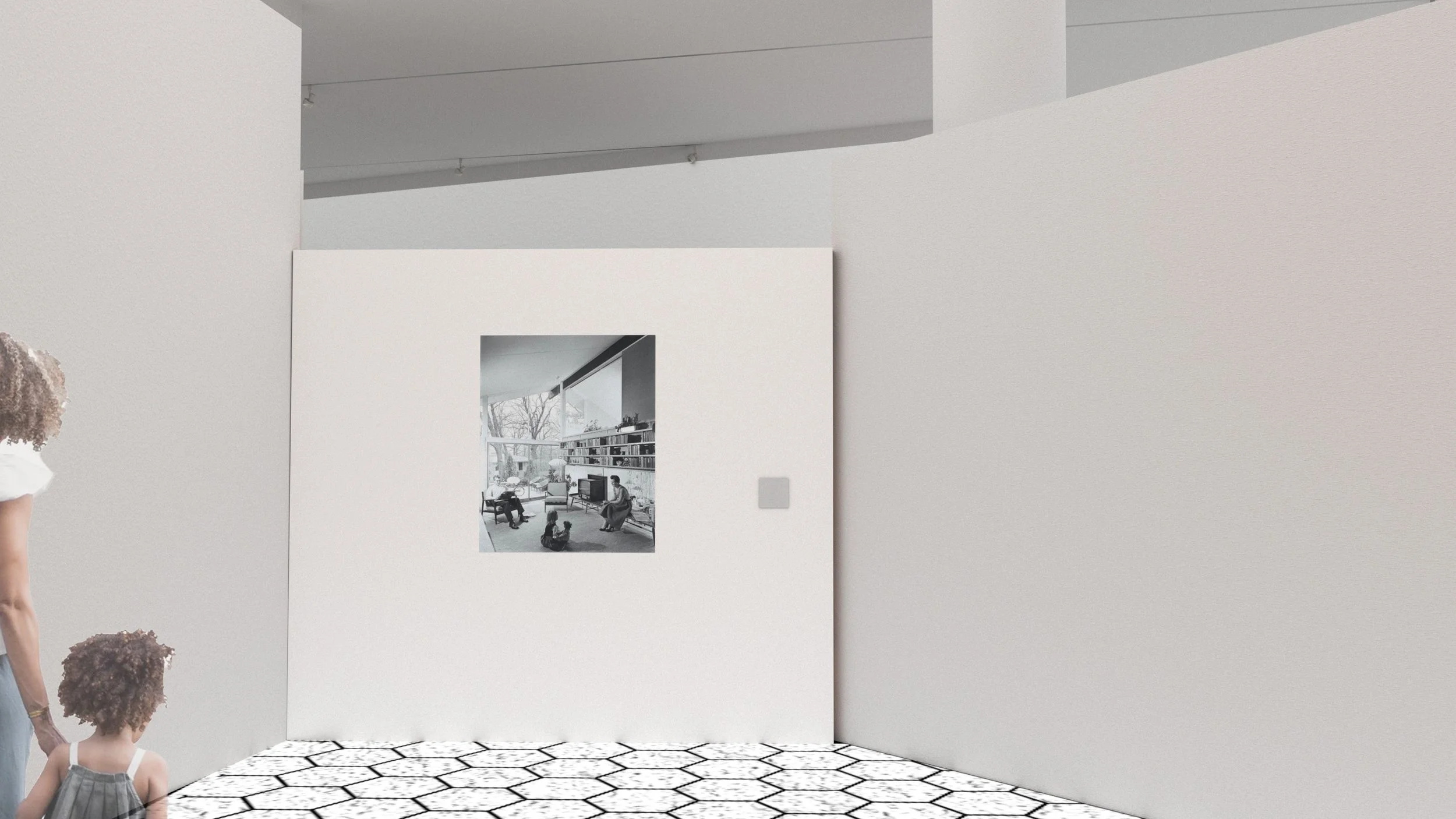
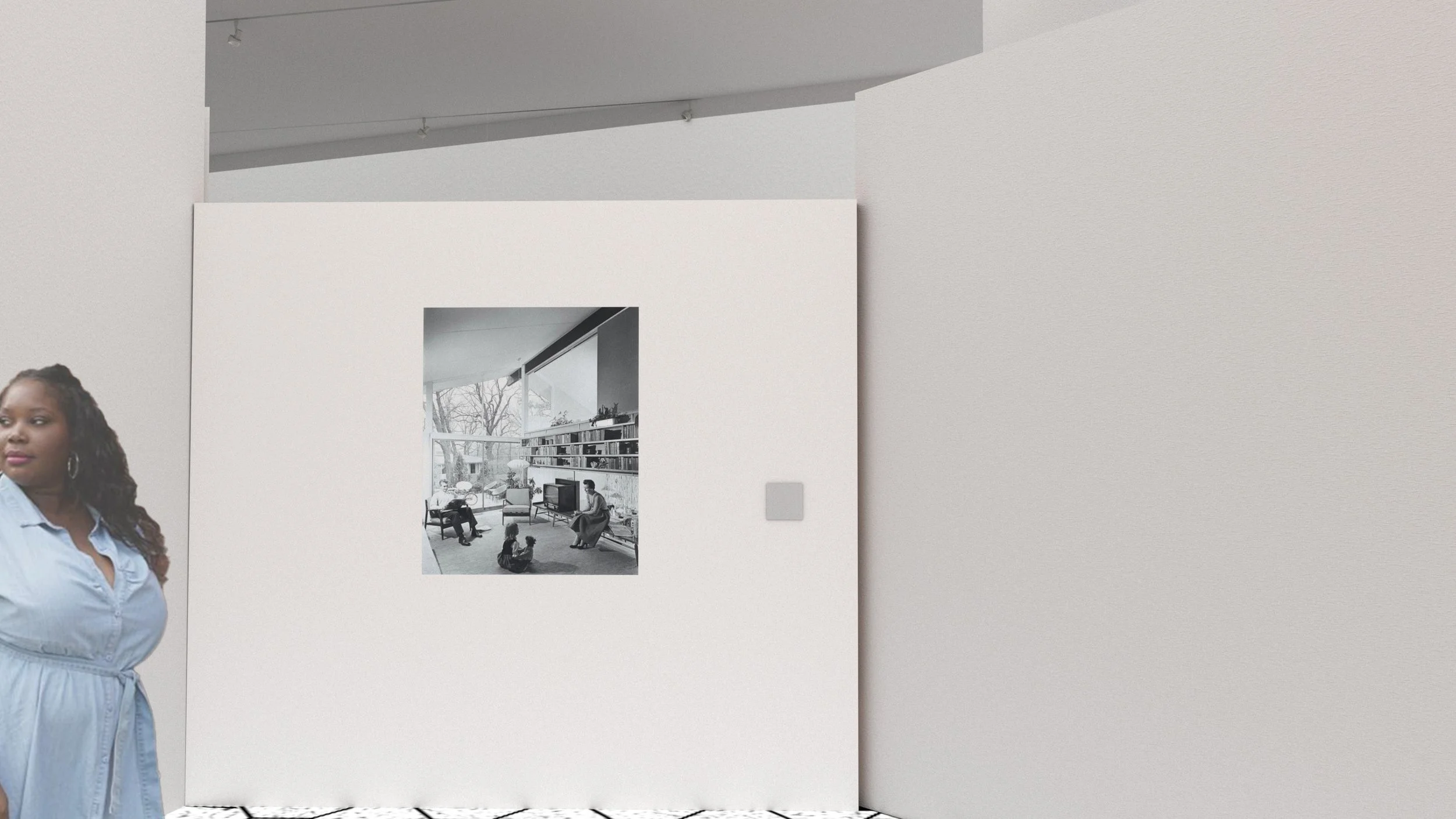
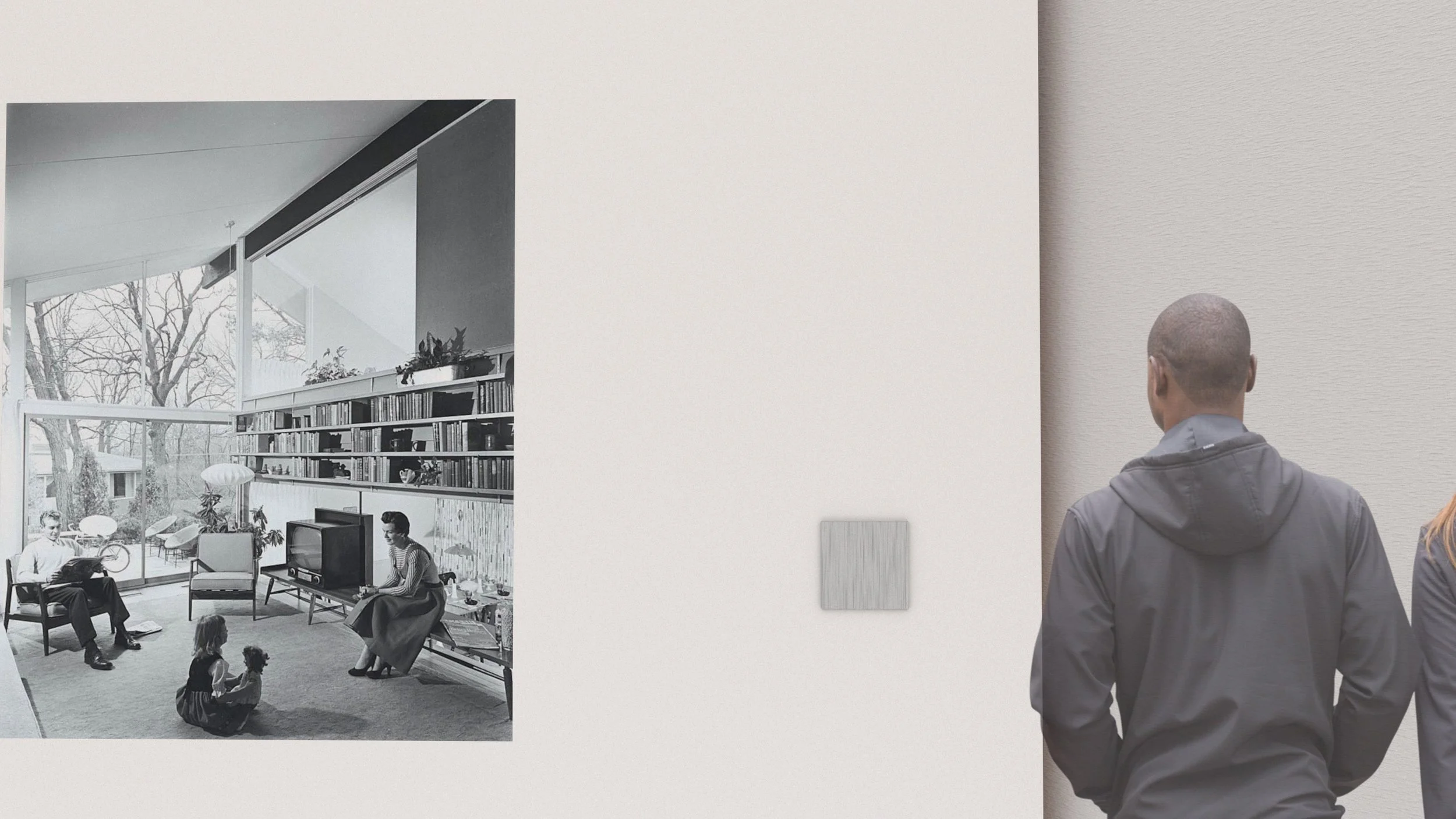
As you make your way along the path, you may notice an image to your left.
This image is one of many by Hedrich Blessing in Popular Home Magazine for the U.S. Gypsum Research Village in 1955.
The Hedrich Blessing photographs, like many used in architectural representations and popular media, portray white heteronormativity as the norm and anything else as other and strange.
The image projected onto the marginalized often serves to make those with power simultaneously feel as though they are neutral and yet, superior.
Especially when compared to the images from mainstream media that depict black people using negative stereotypes.
The image and visual representation affect how one views themselves and their role within society.
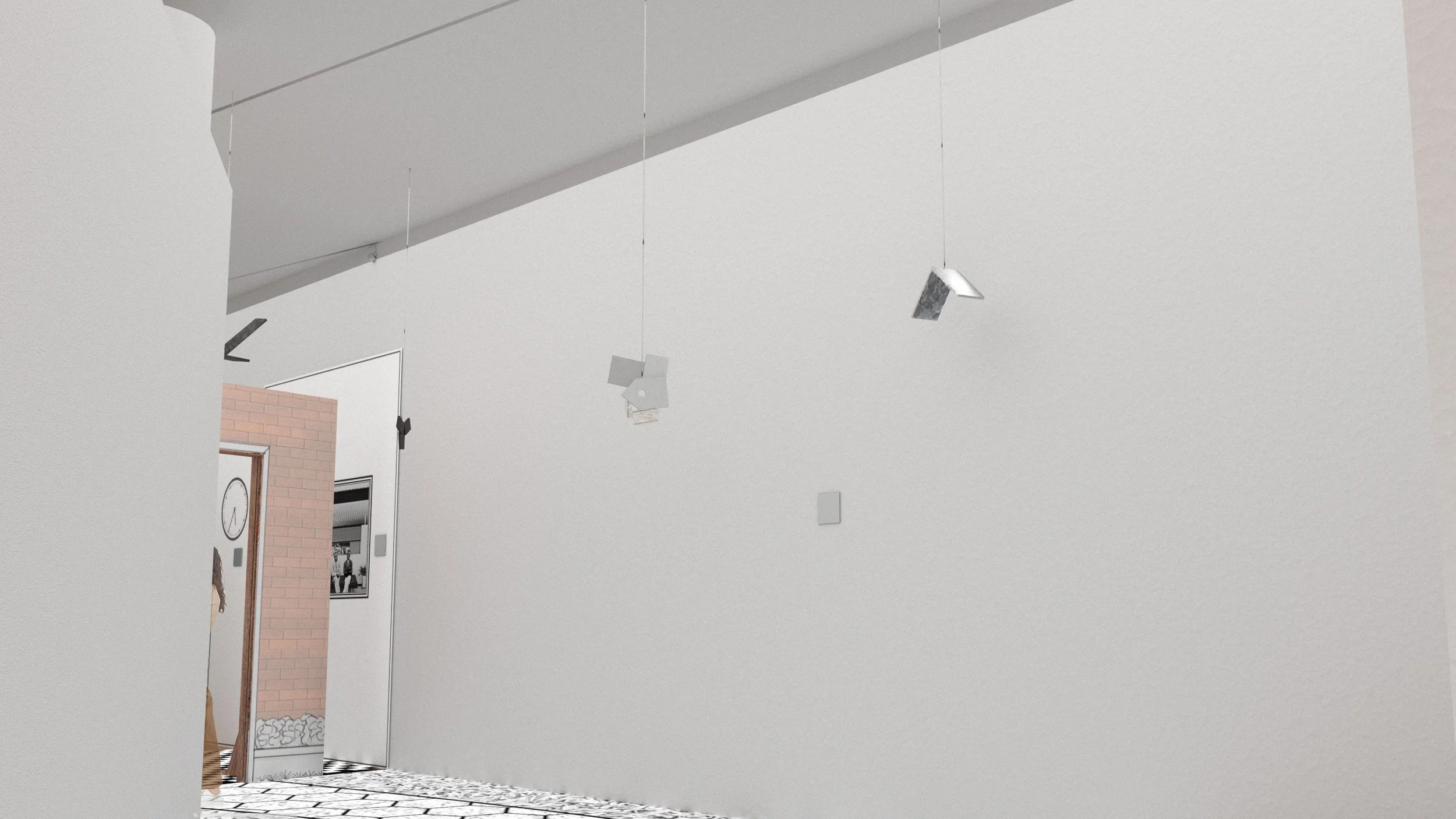
You will see broken and deconstructed birdhouses floating around you, reflecting the creatures which inhabit them.
Birds are highly symbolic creatures whose meaning varies across cultures and among different species; they can simultaneously be harbingers of doom or messengers of peace, the physical representation of a deity or a household pet, they can carry letters or deftly take down prey.
The home of a bird varies by species and purpose: it can take many shapes and sizes and provide various levels of shelter and security.
While the birdhouse is a shelter and a shield for the elements, it is also an object to display and a source of entertainment.
It is a home gazed upon by the voyeur.
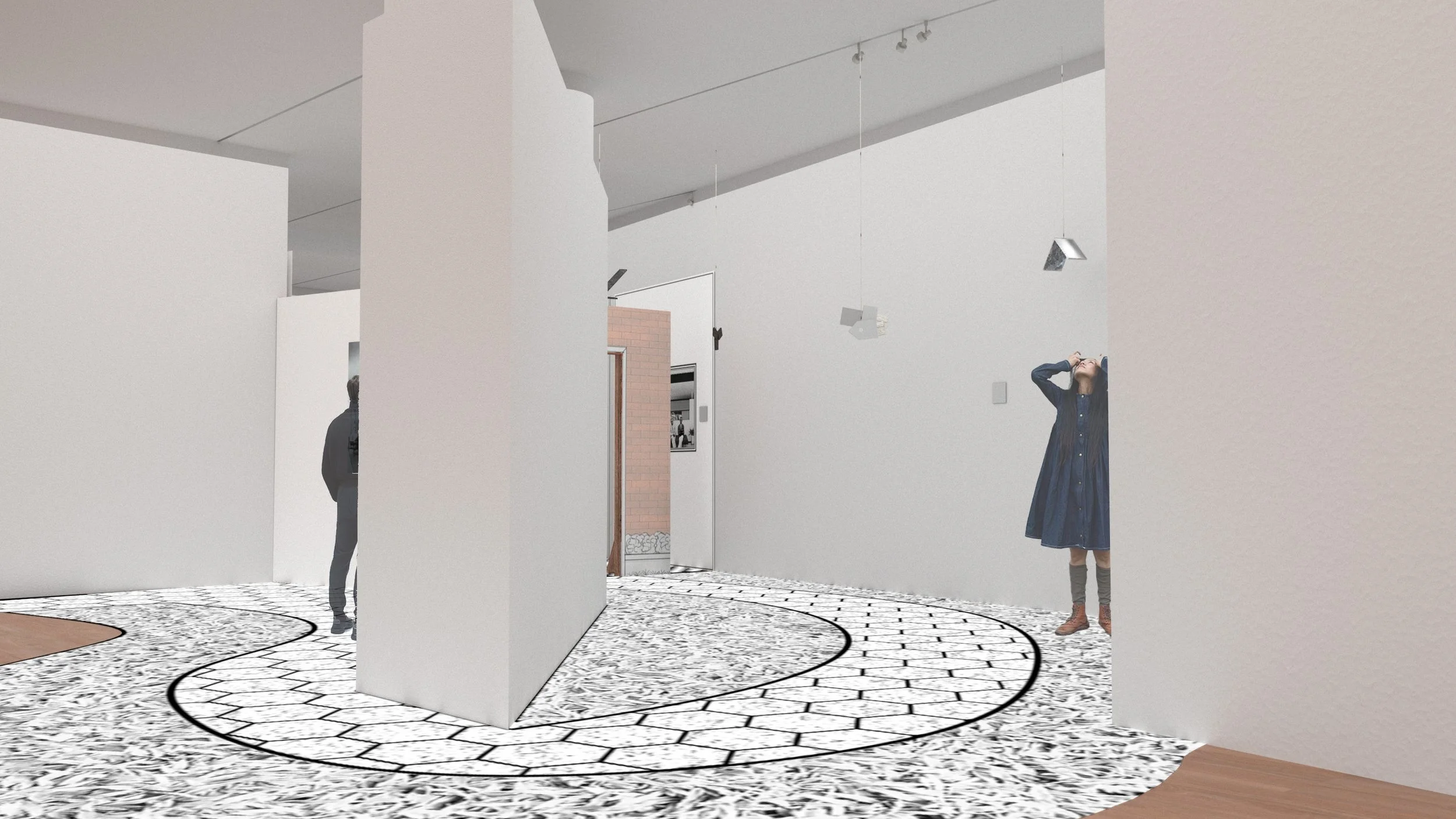
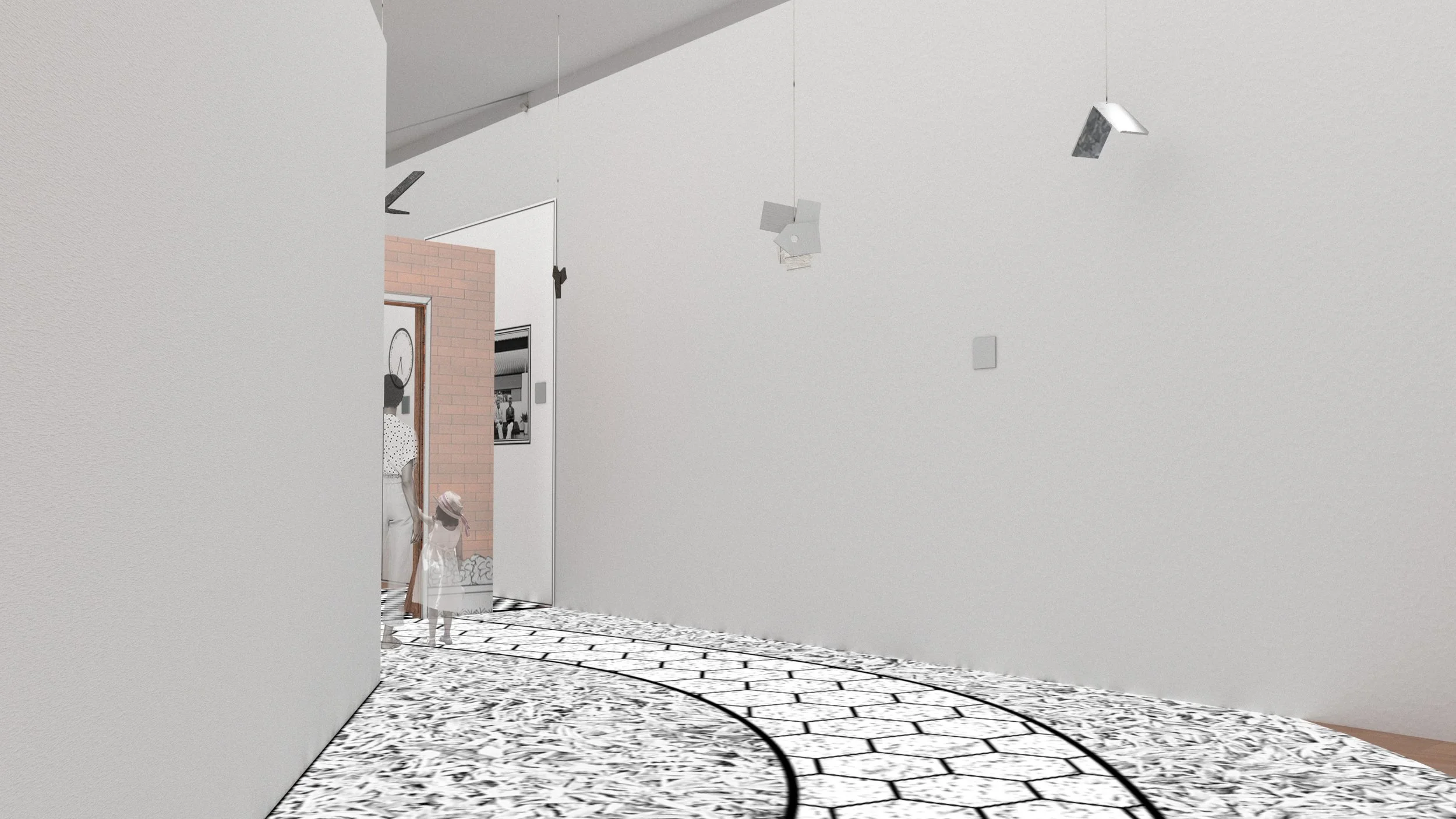
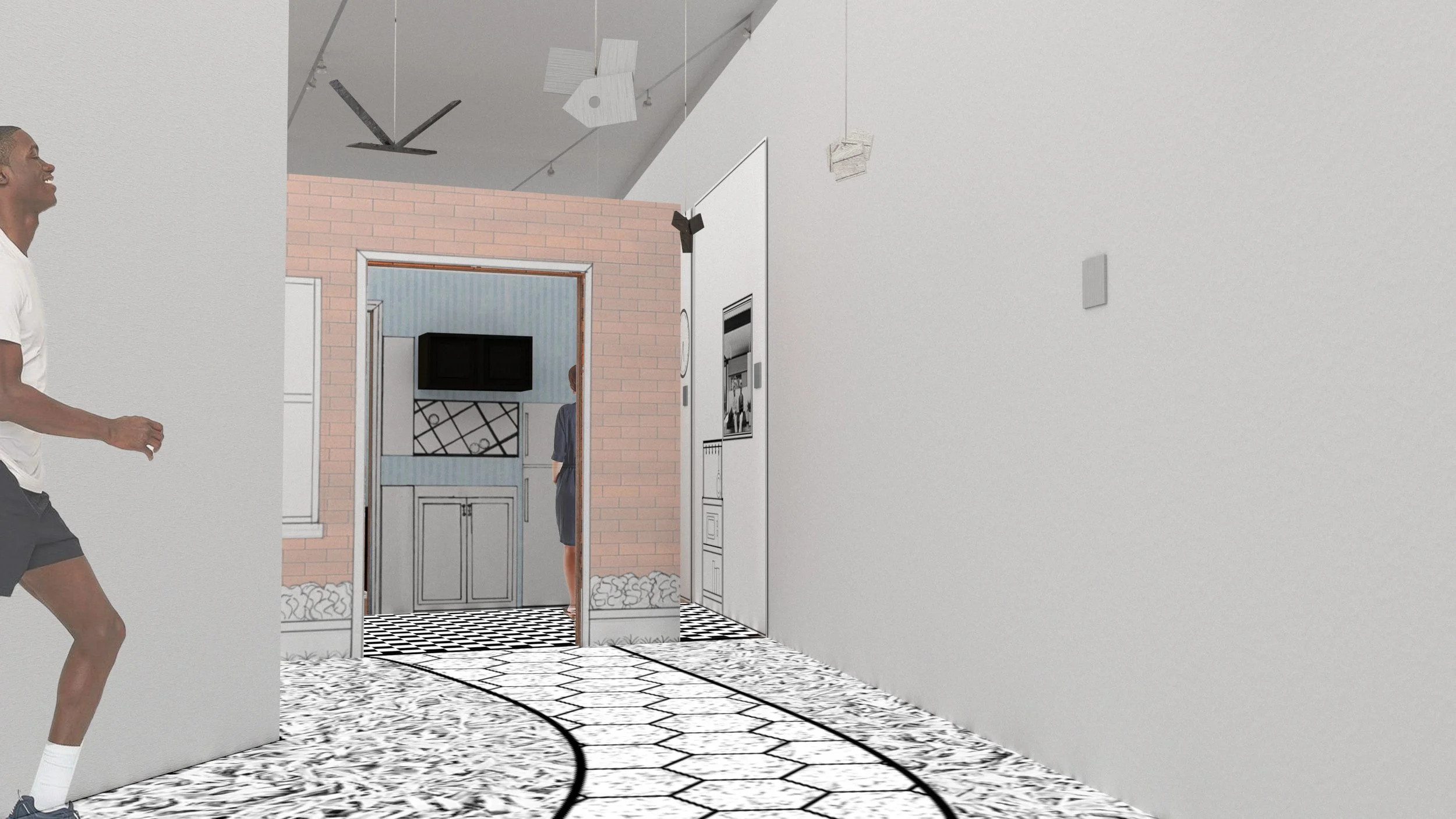
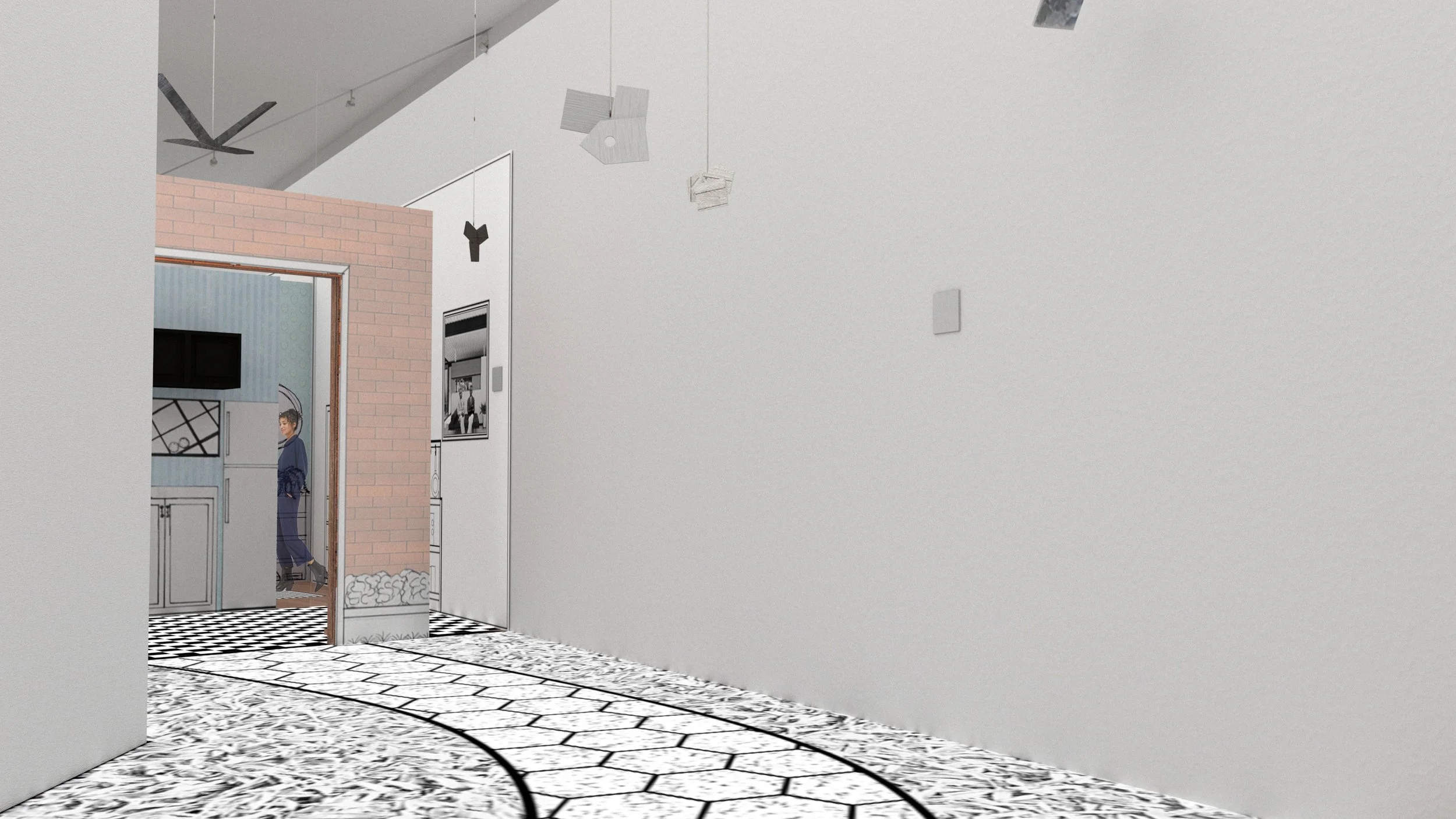
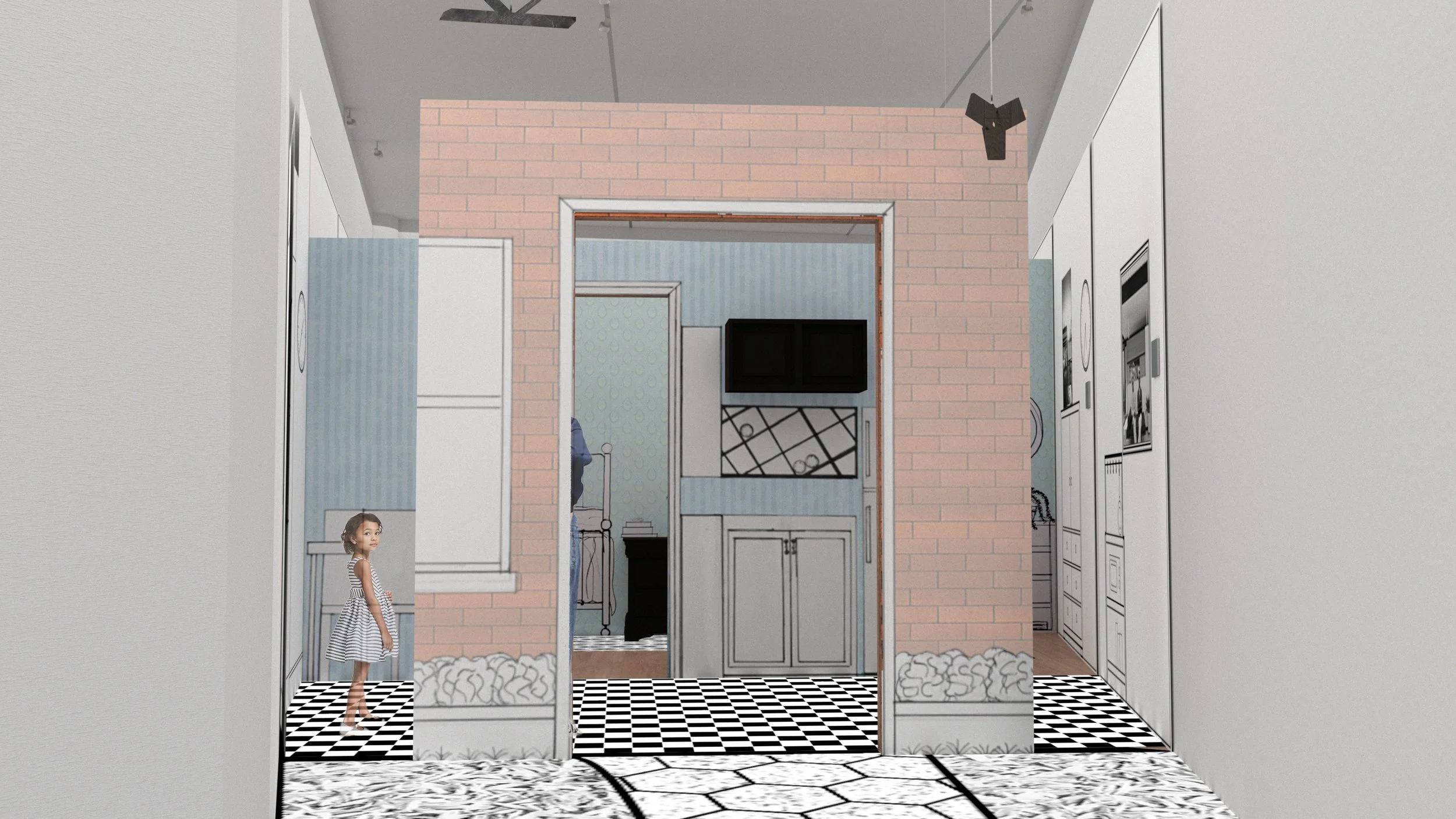
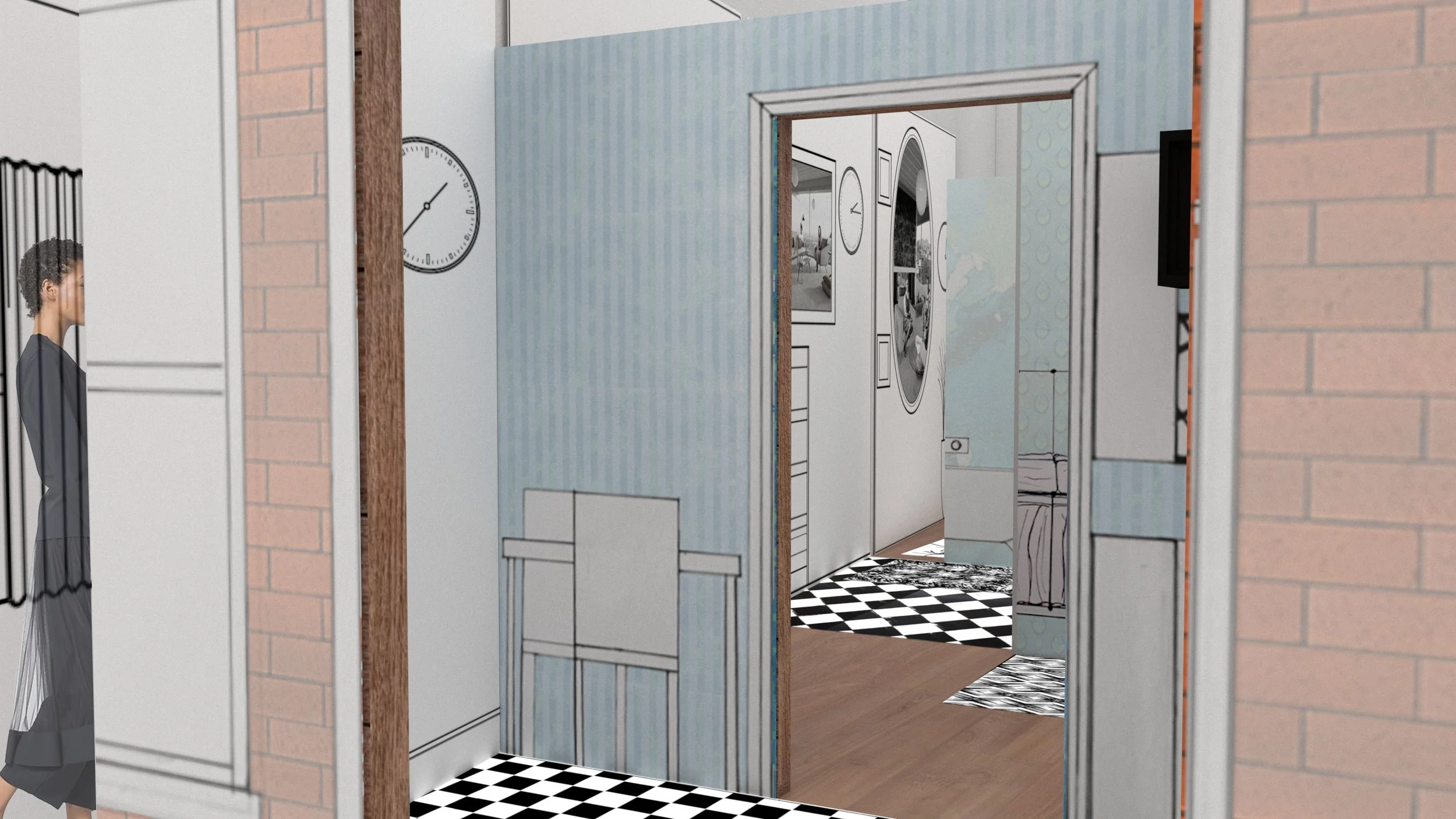
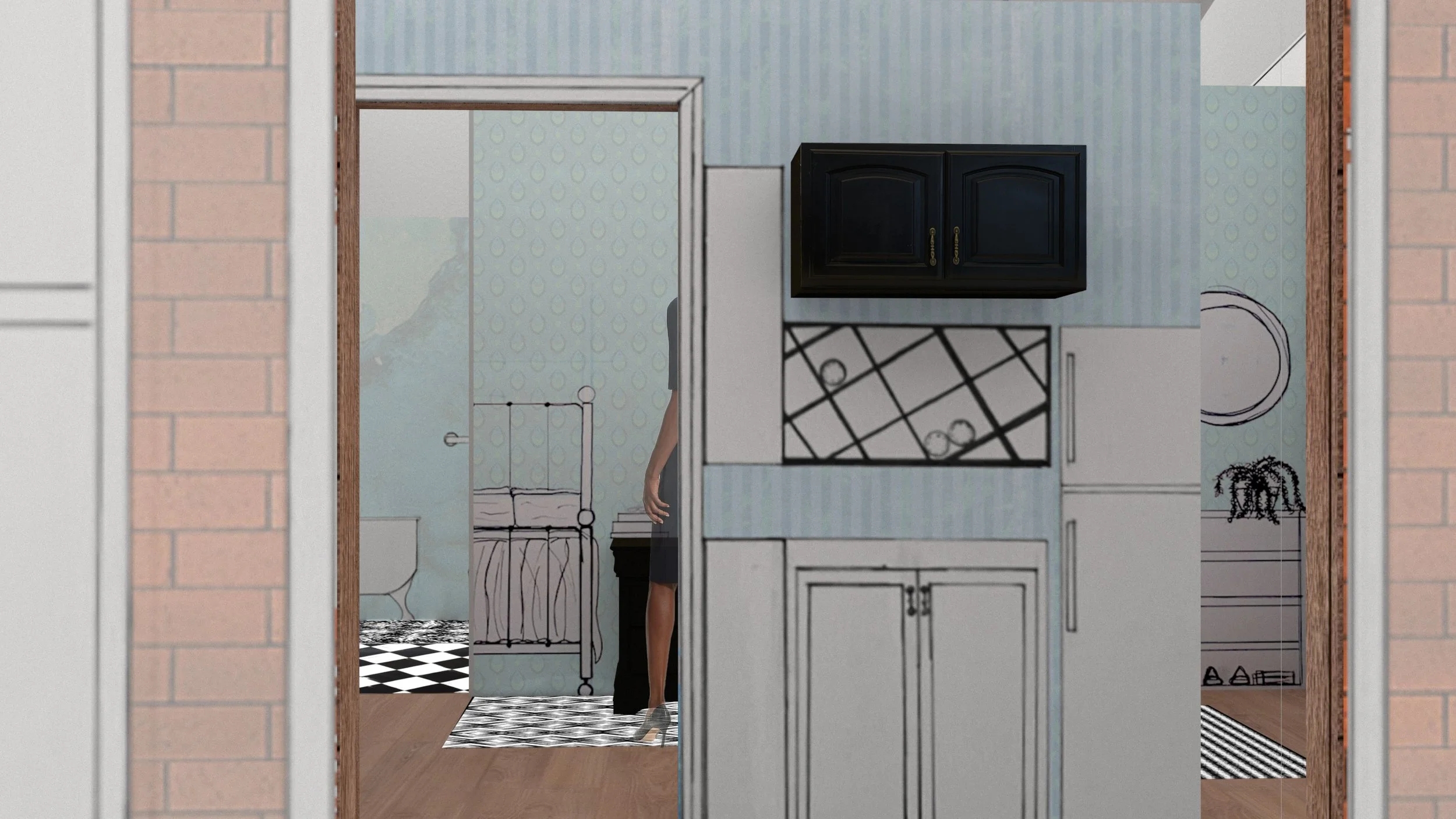
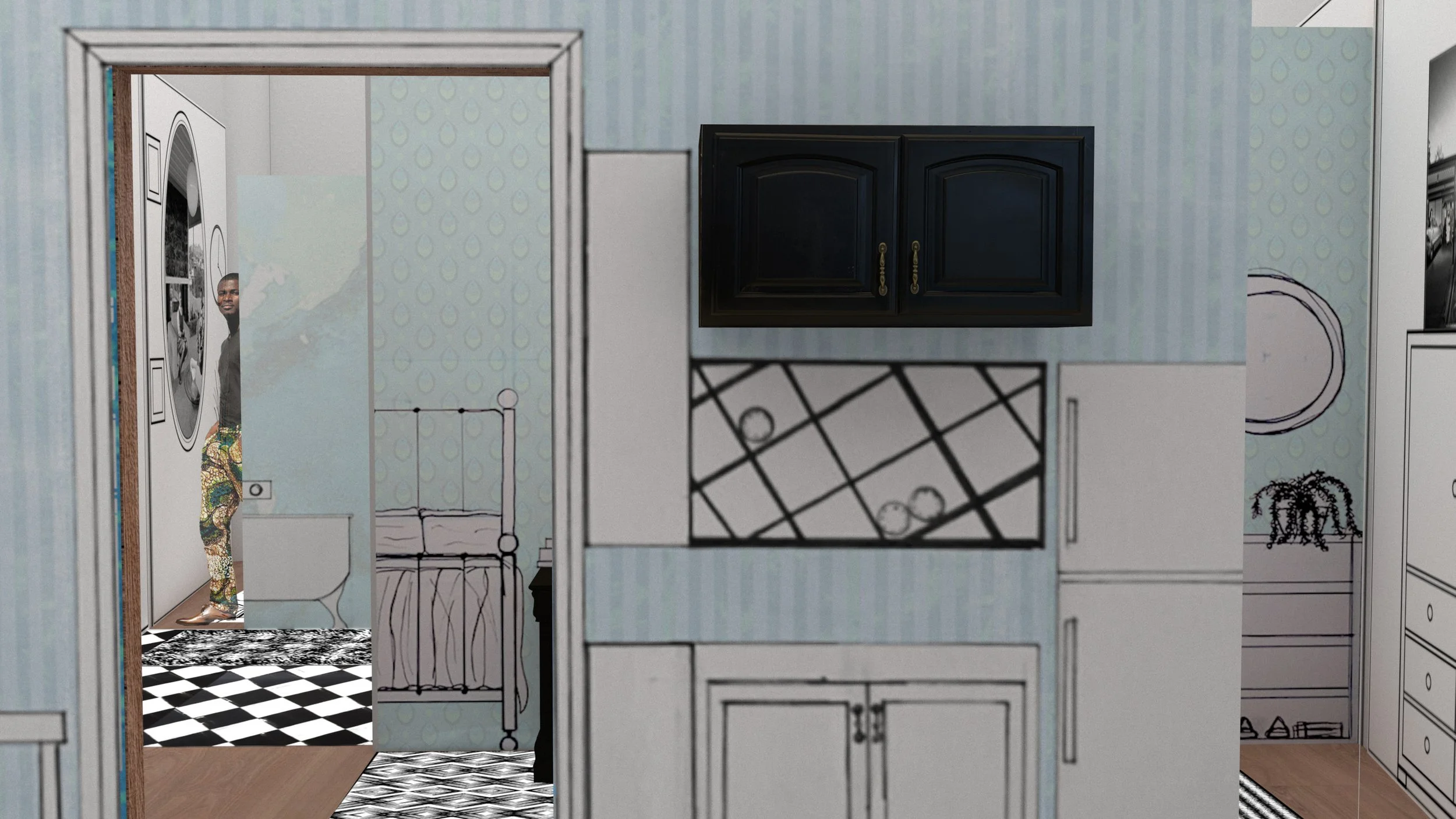
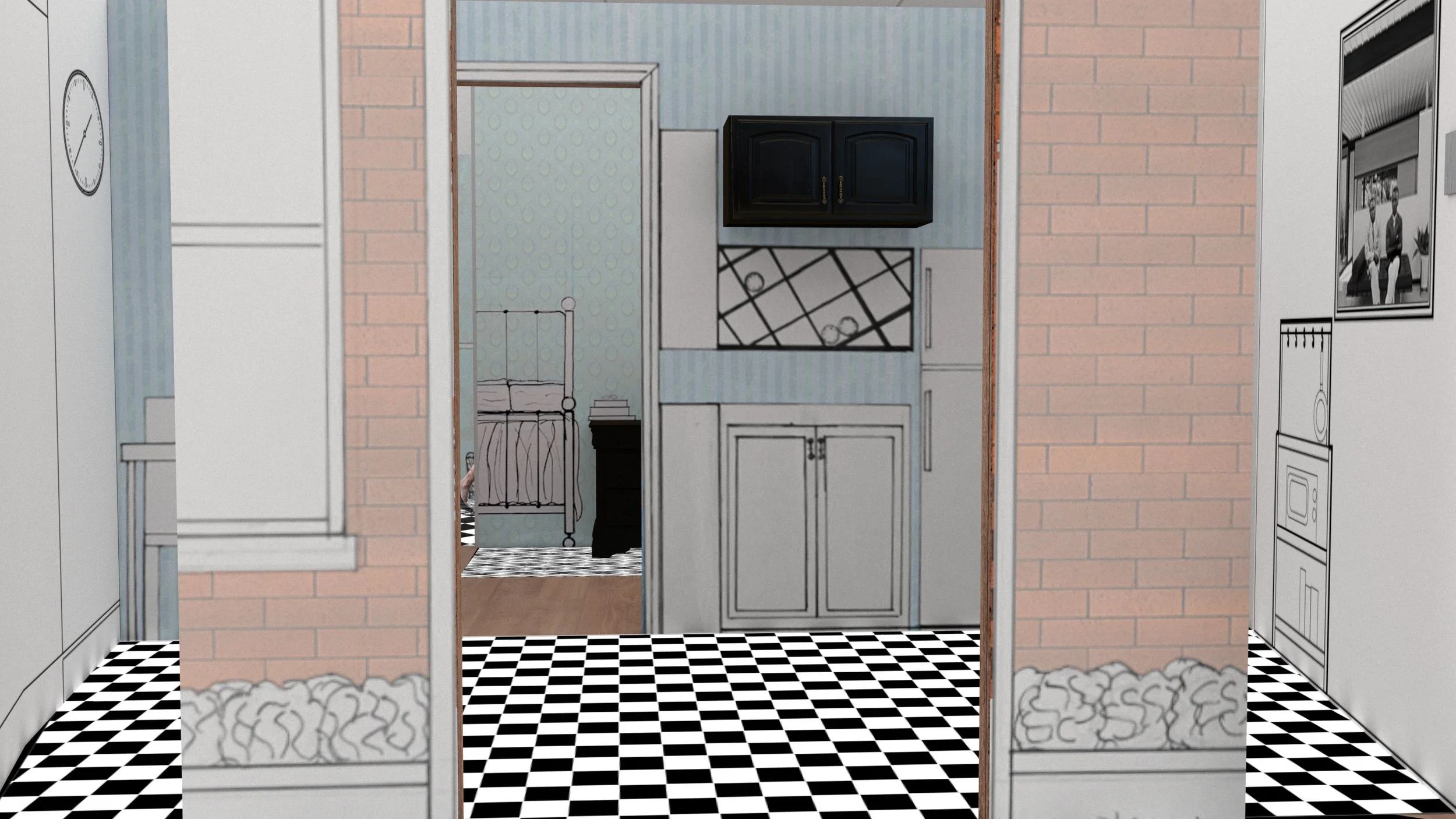
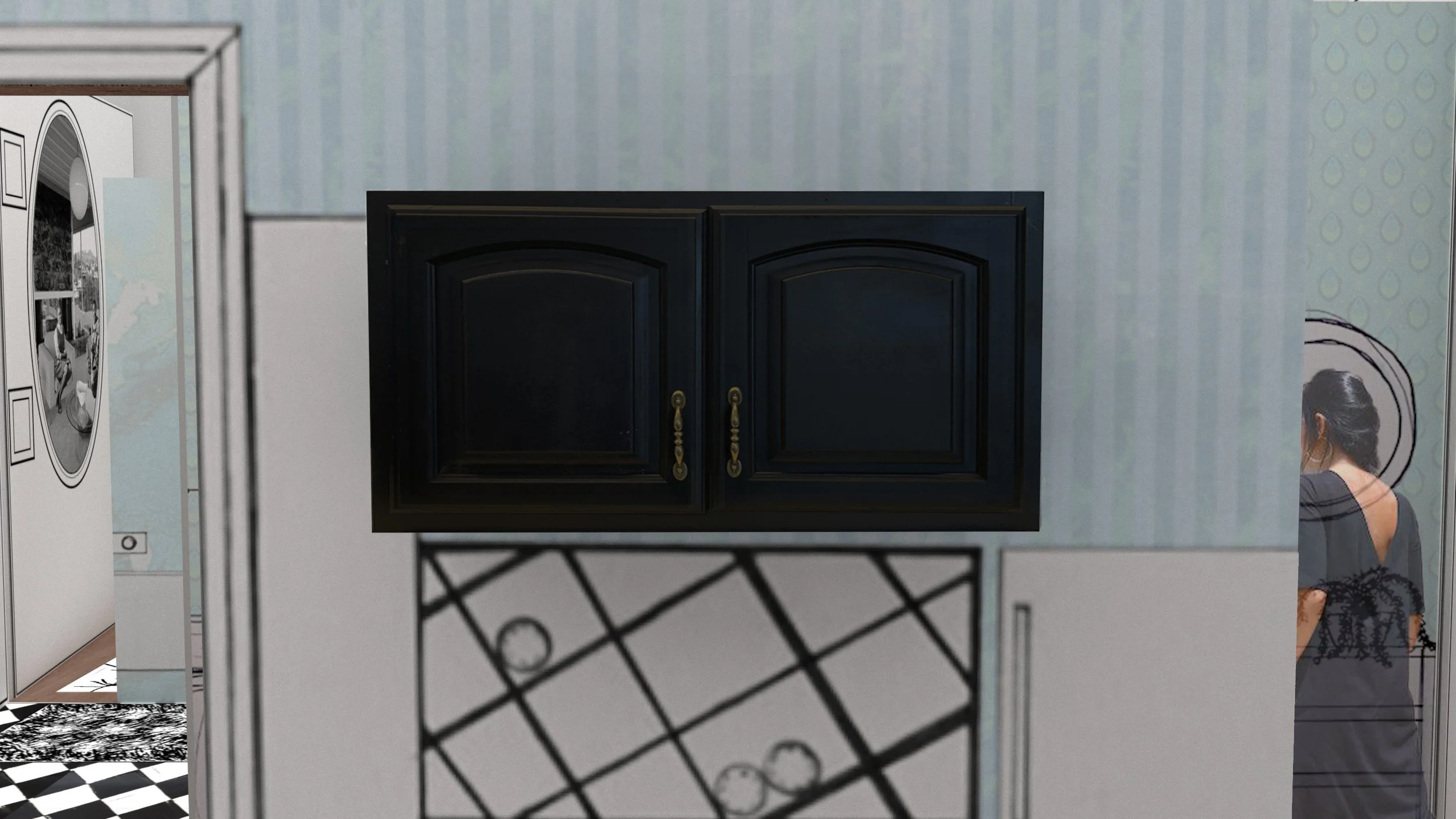
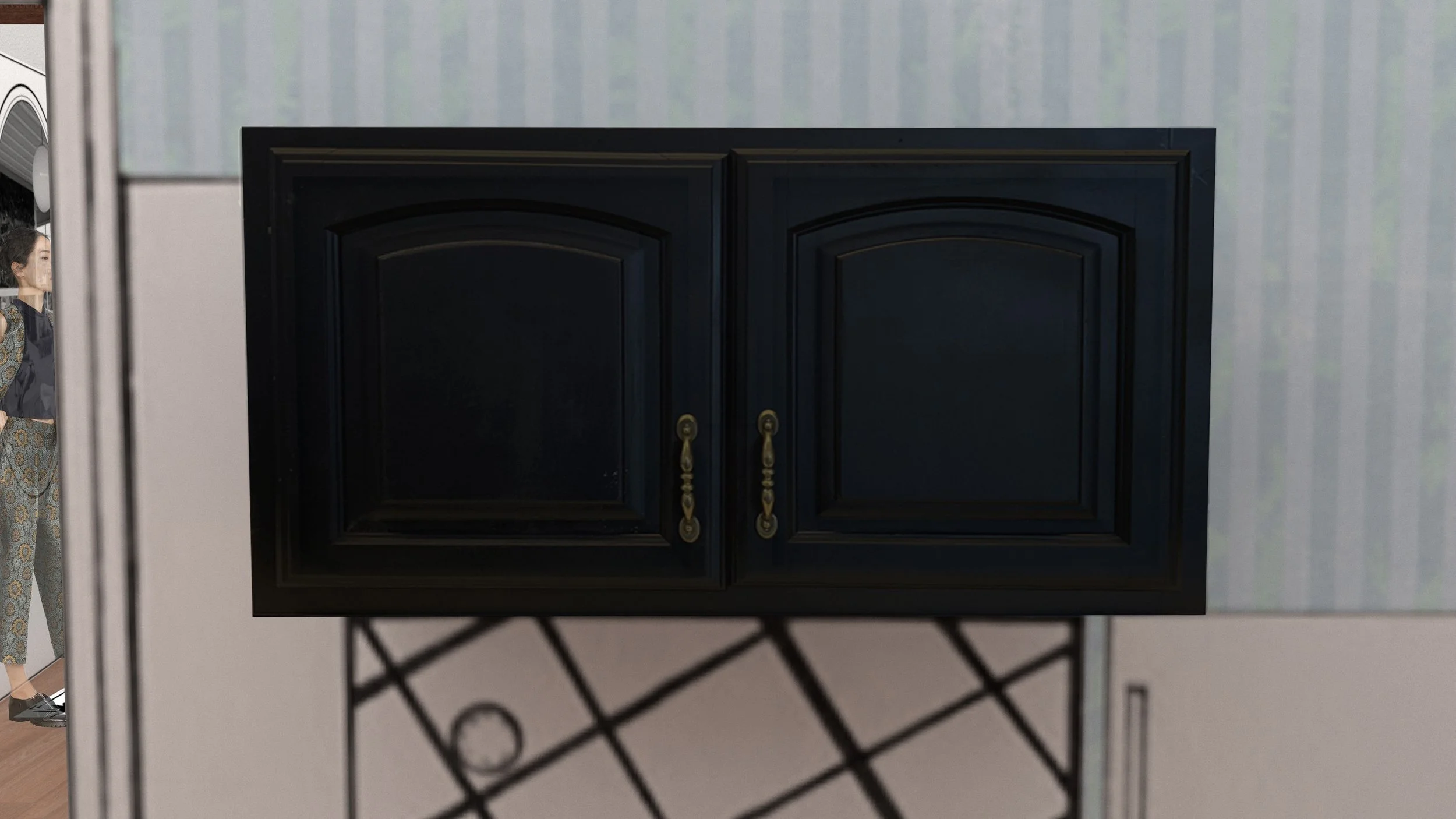
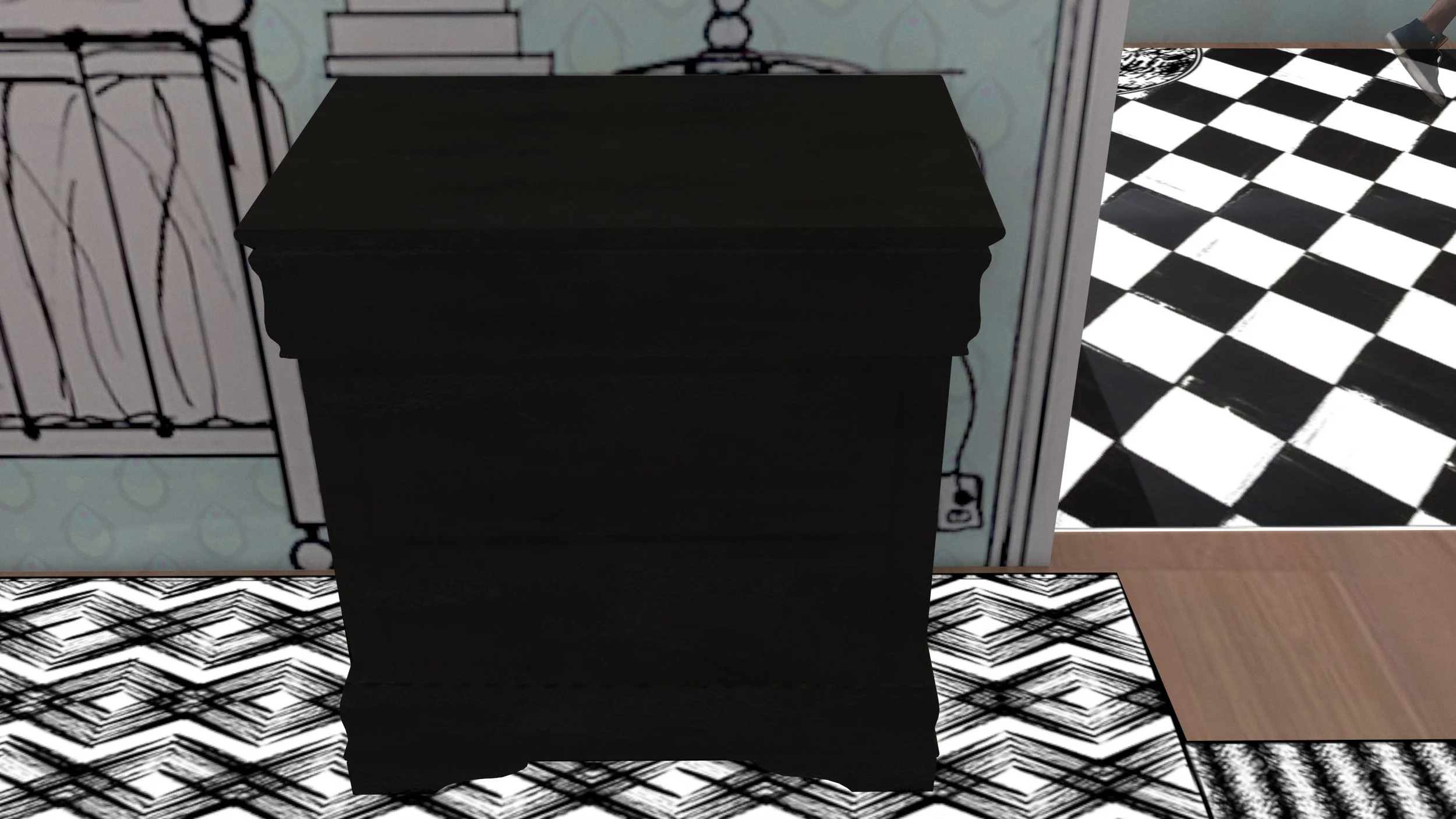
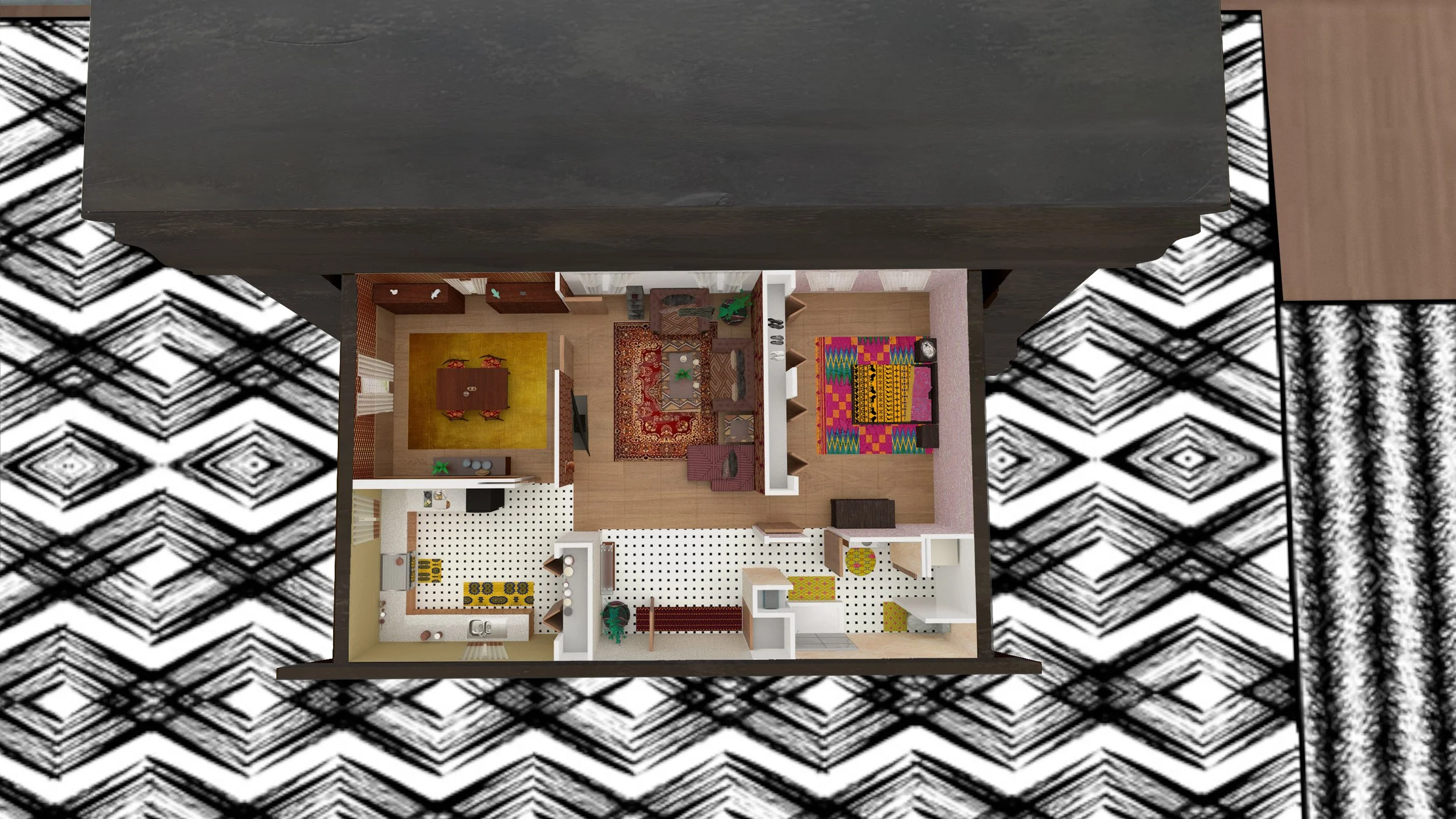
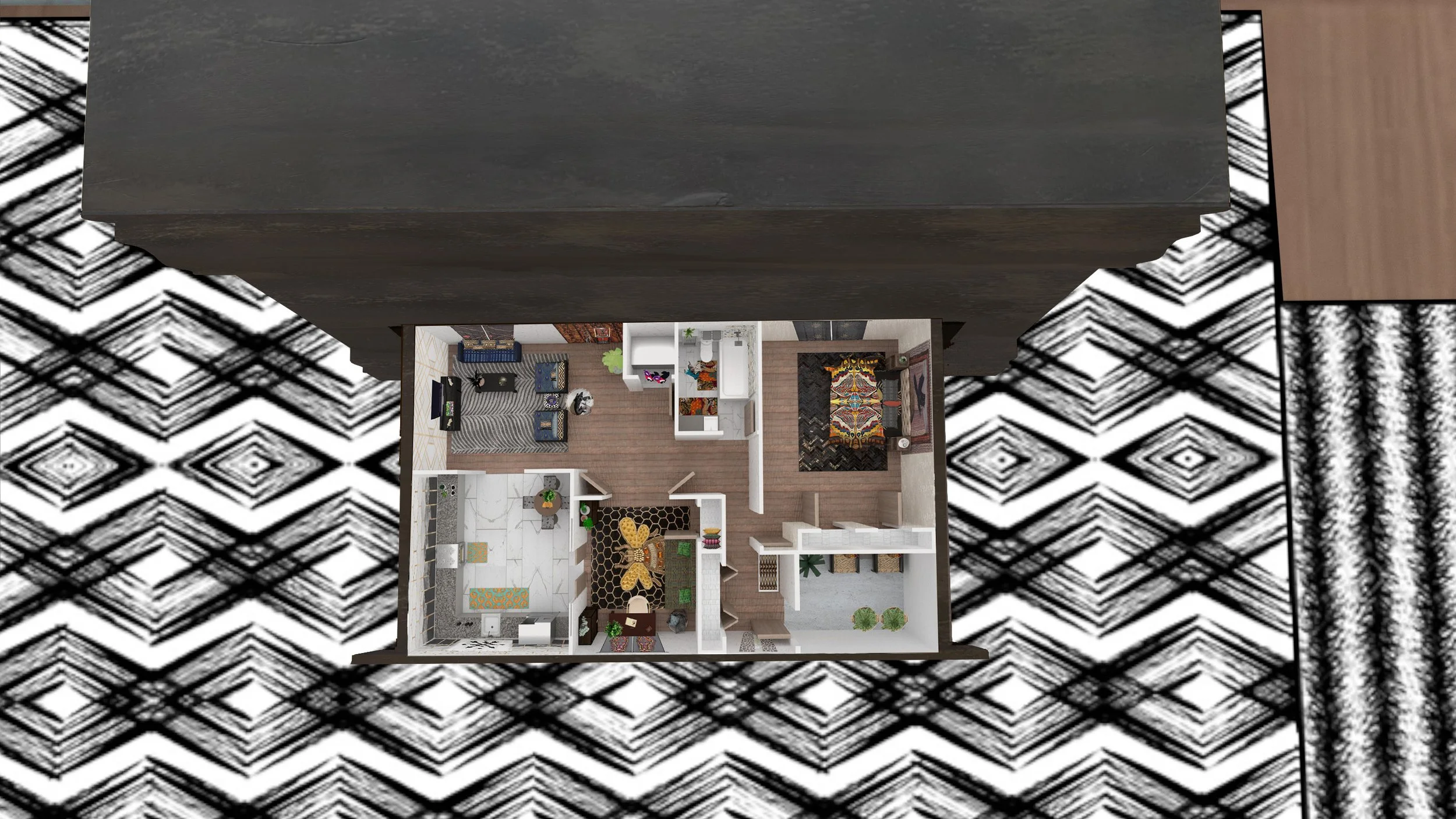
Moving into the next room, take a moment to locate and open the cupboard to reveal what is hidden inside.
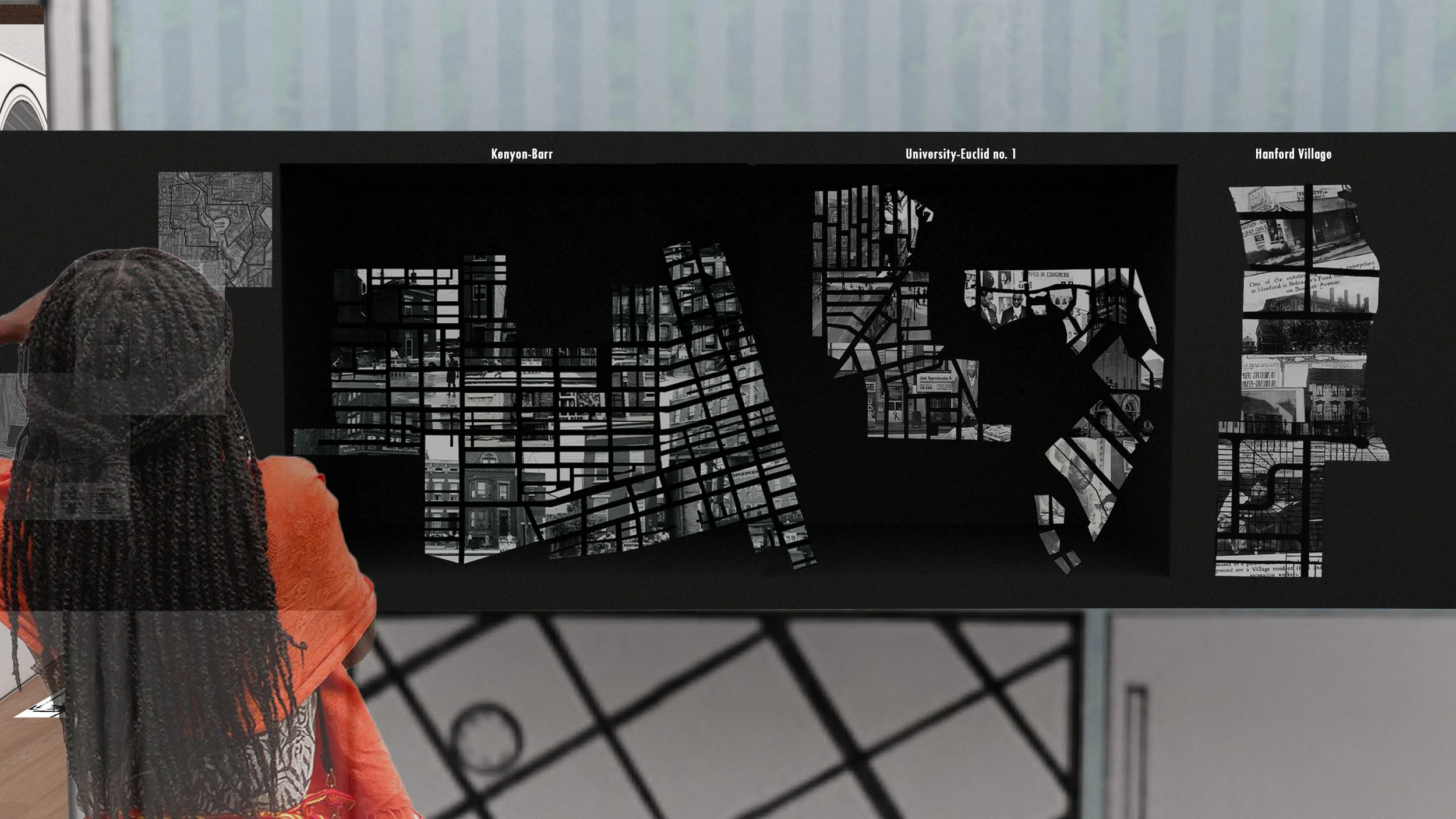
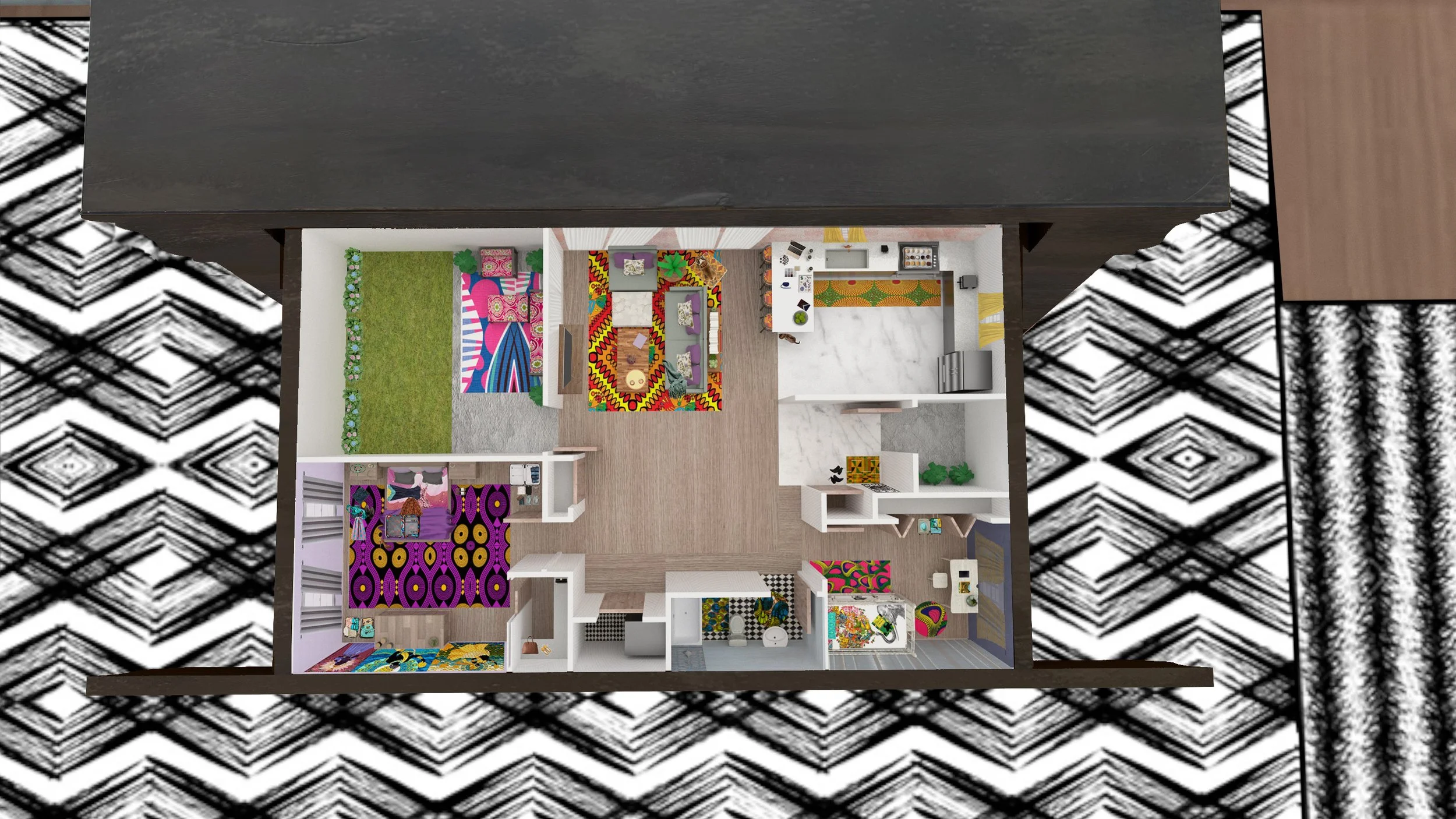
Neatly removed from sight, and kept out of memory, black communities have been systematically displaced, fractured, and erased across the United States.
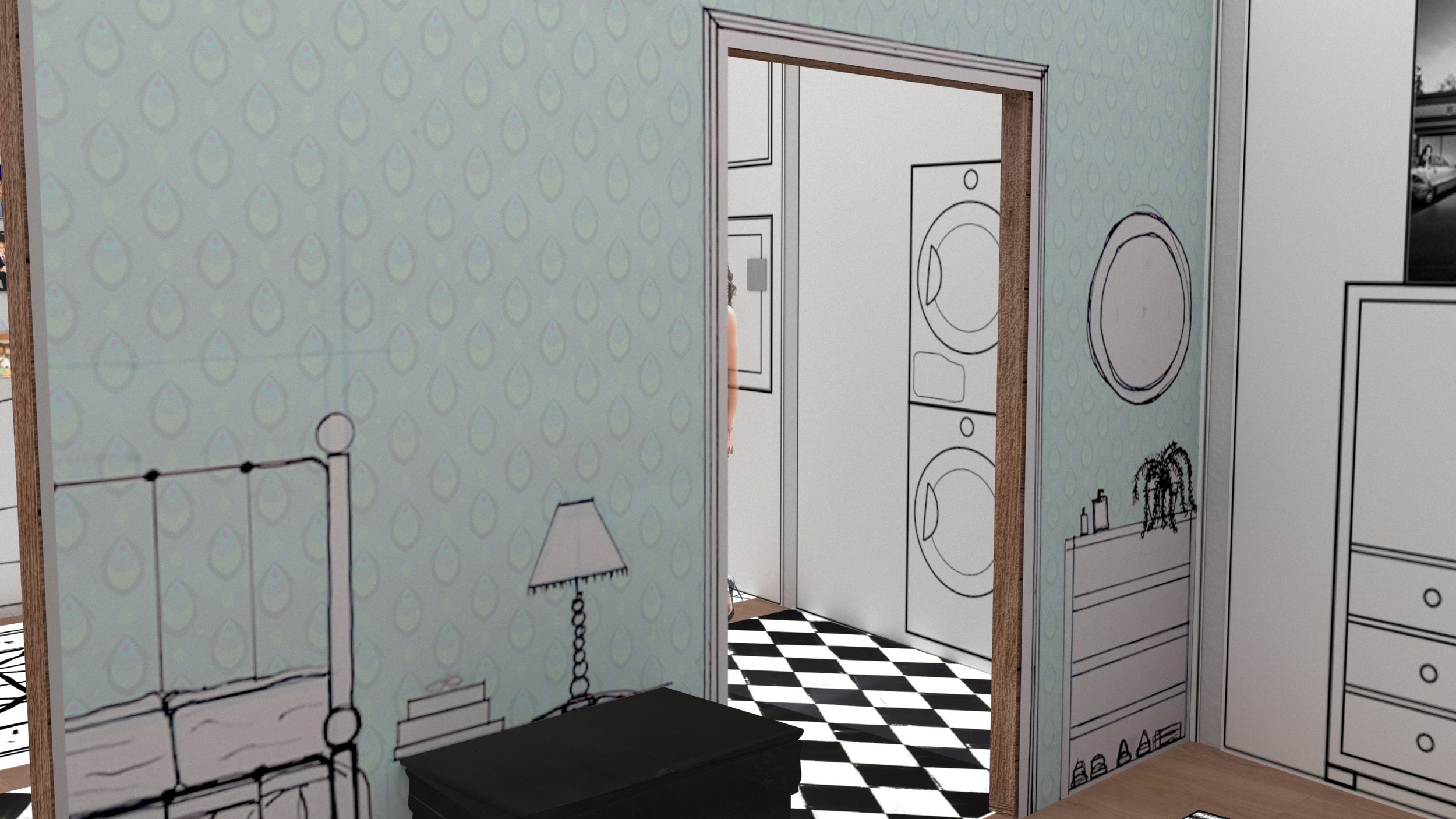
A clean and tidy home has a place for everything and everything in its place.
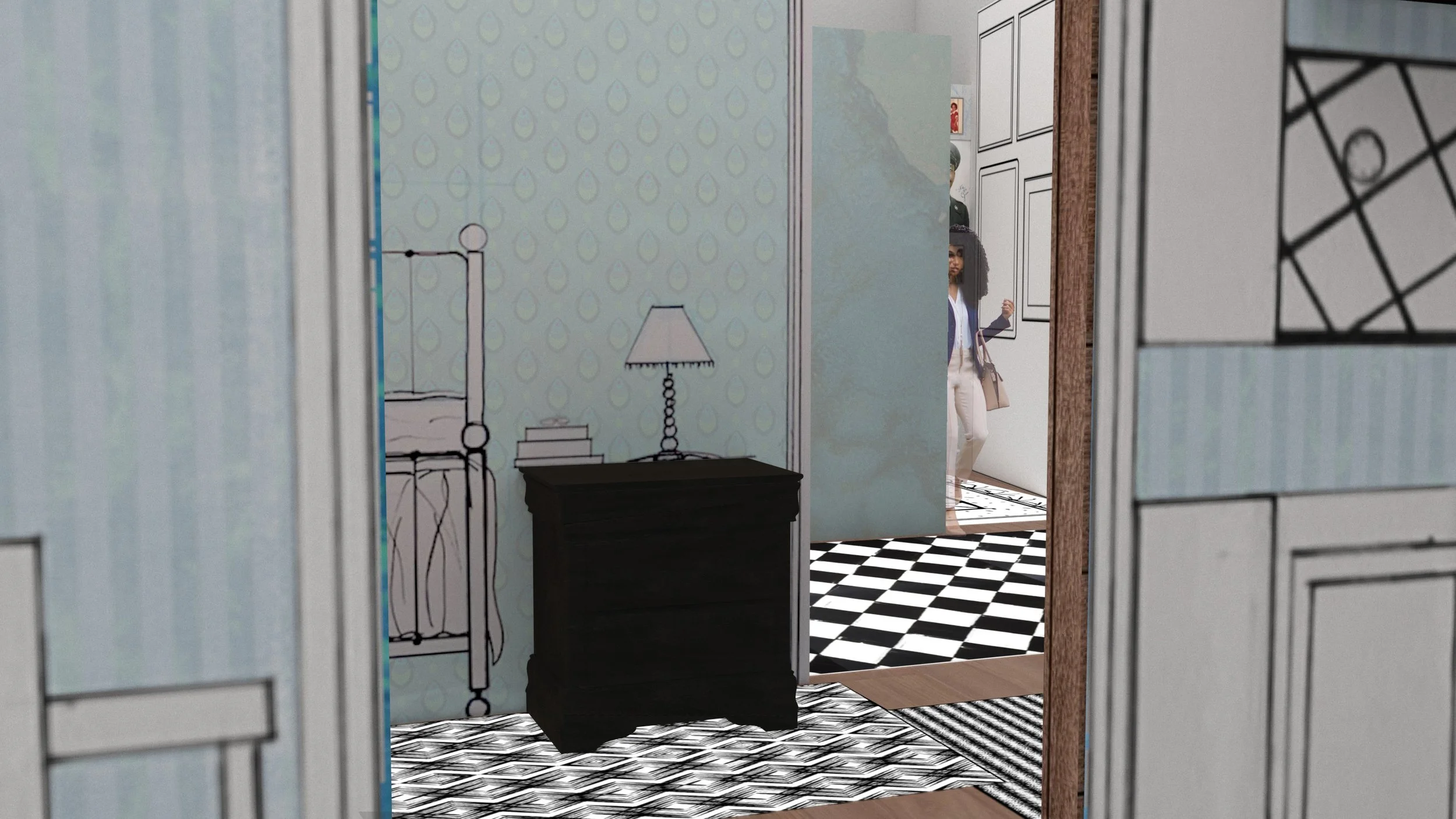
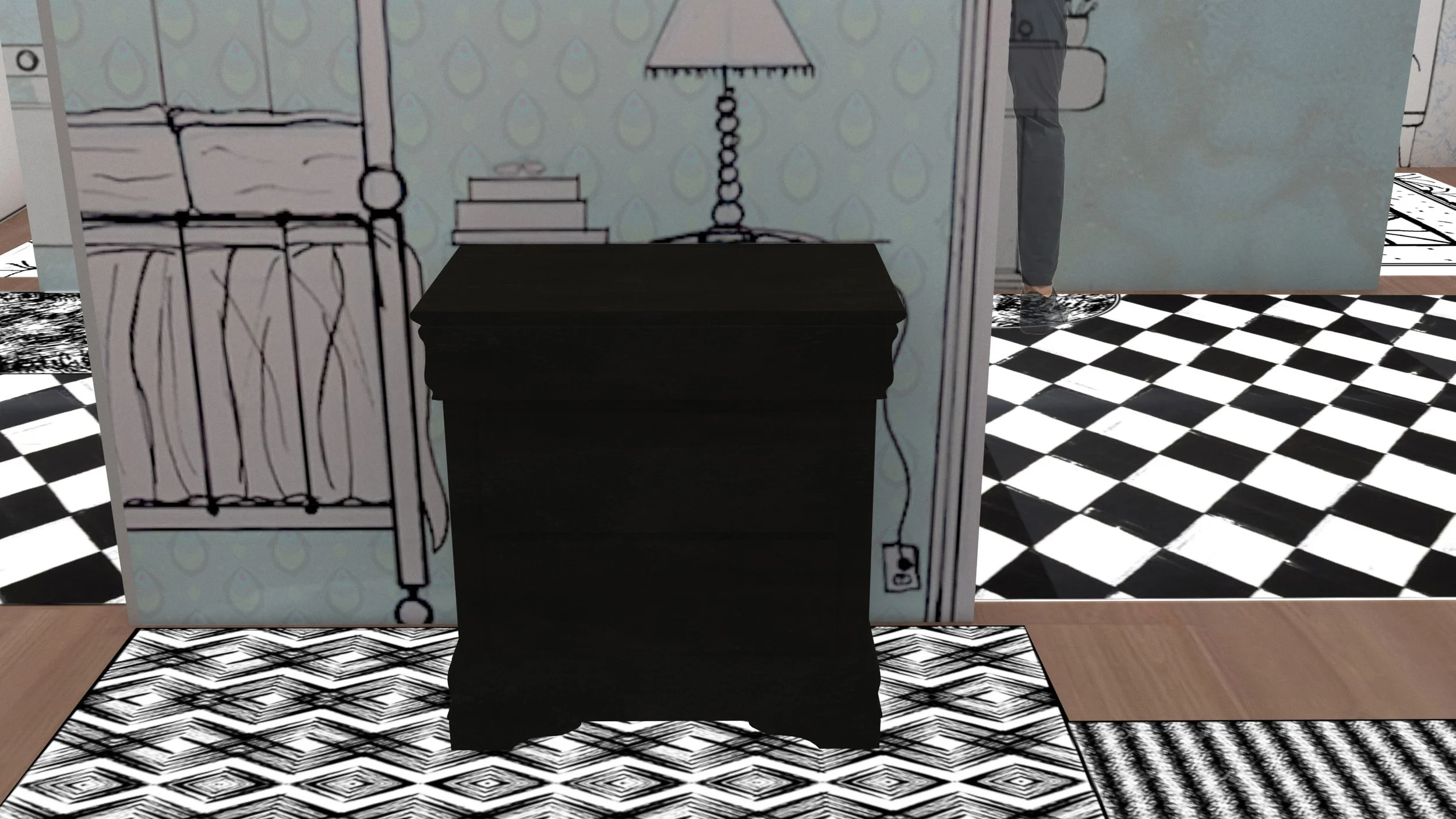
Clutter is tucked away and hidden in the drawer of the nightstand.
Opening the drawer opens one’s secrets.
Take a moment here to open each drawer of the nightstand.
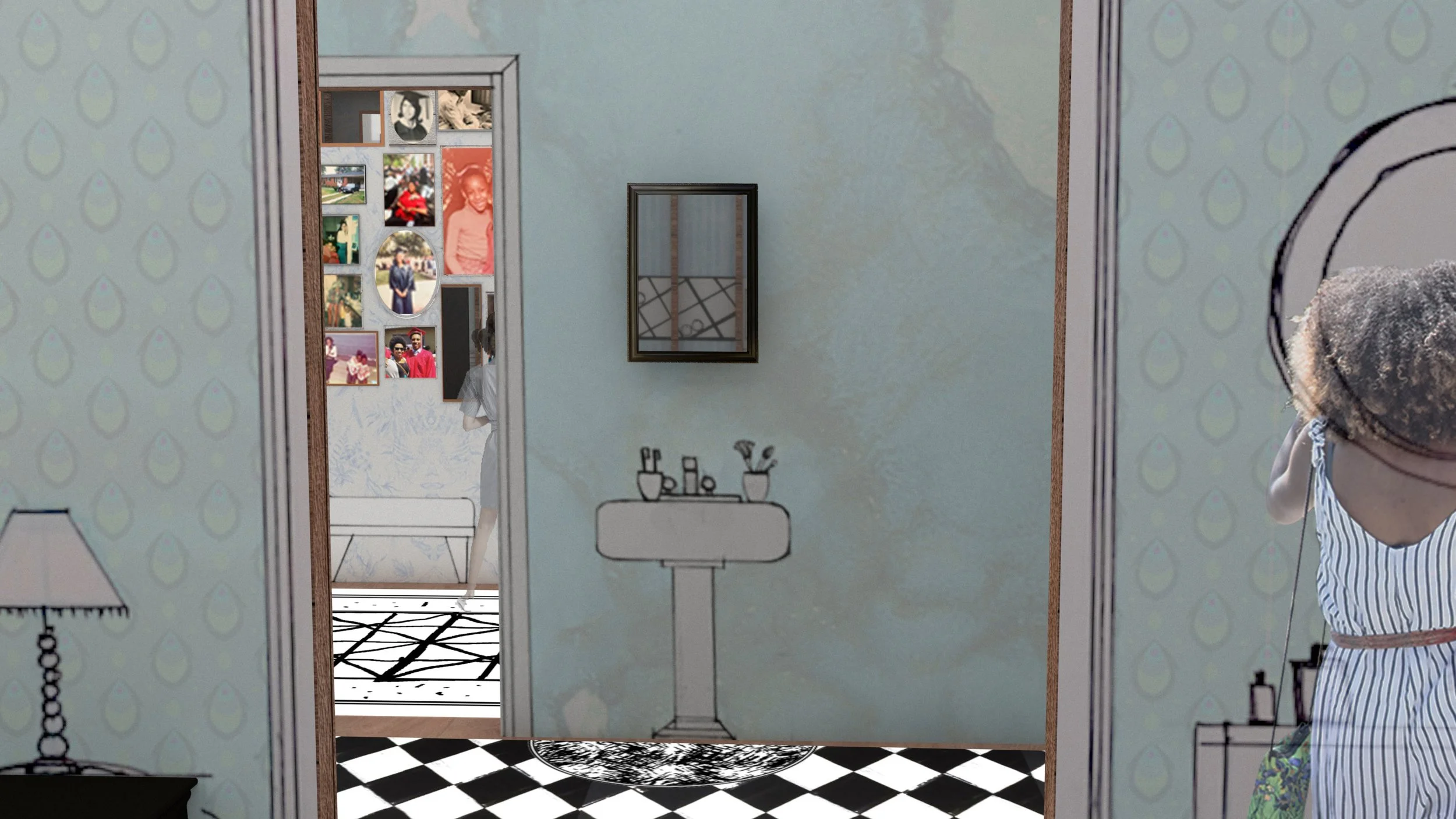
The image reflected is not always representative of reality.
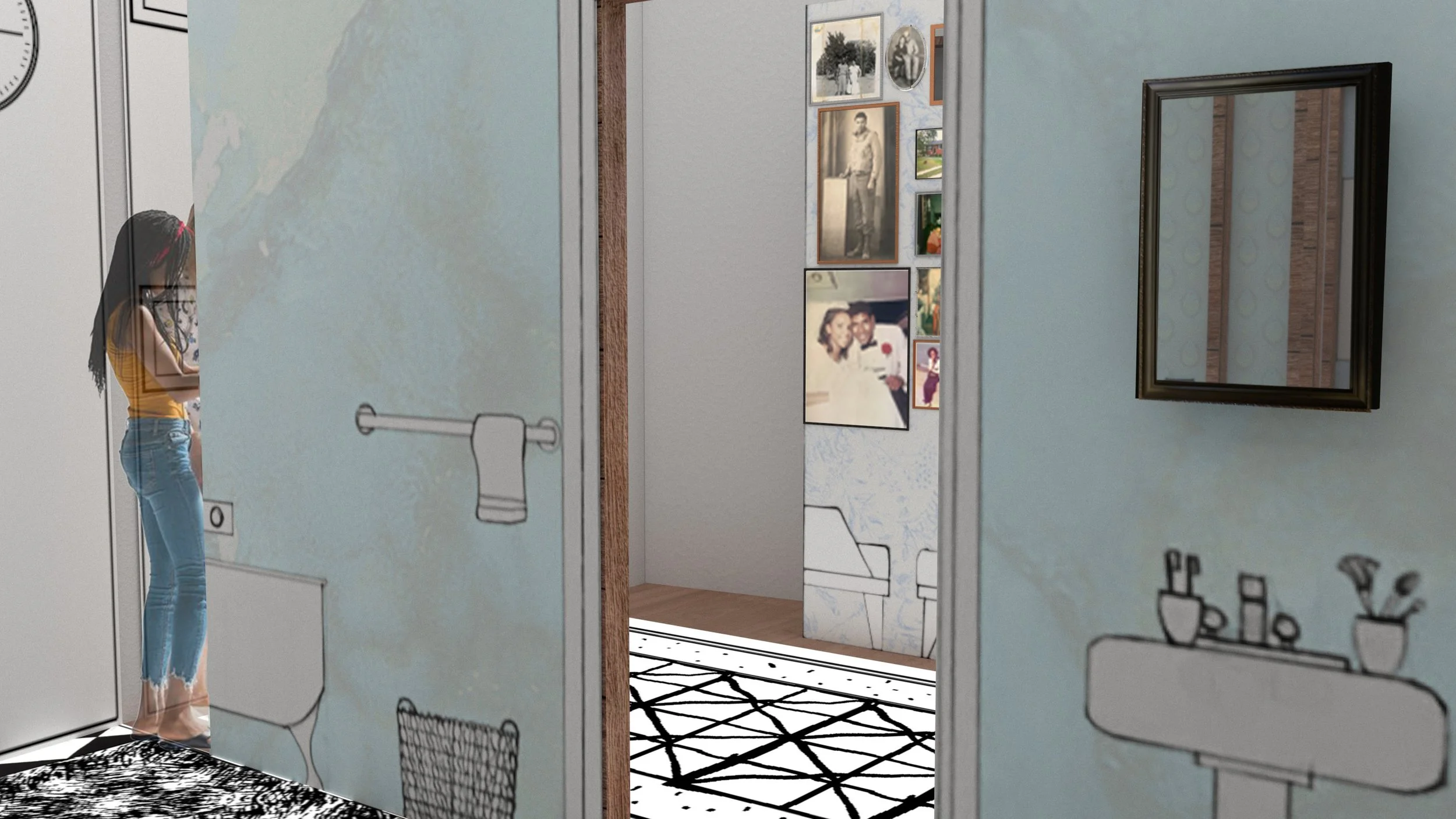
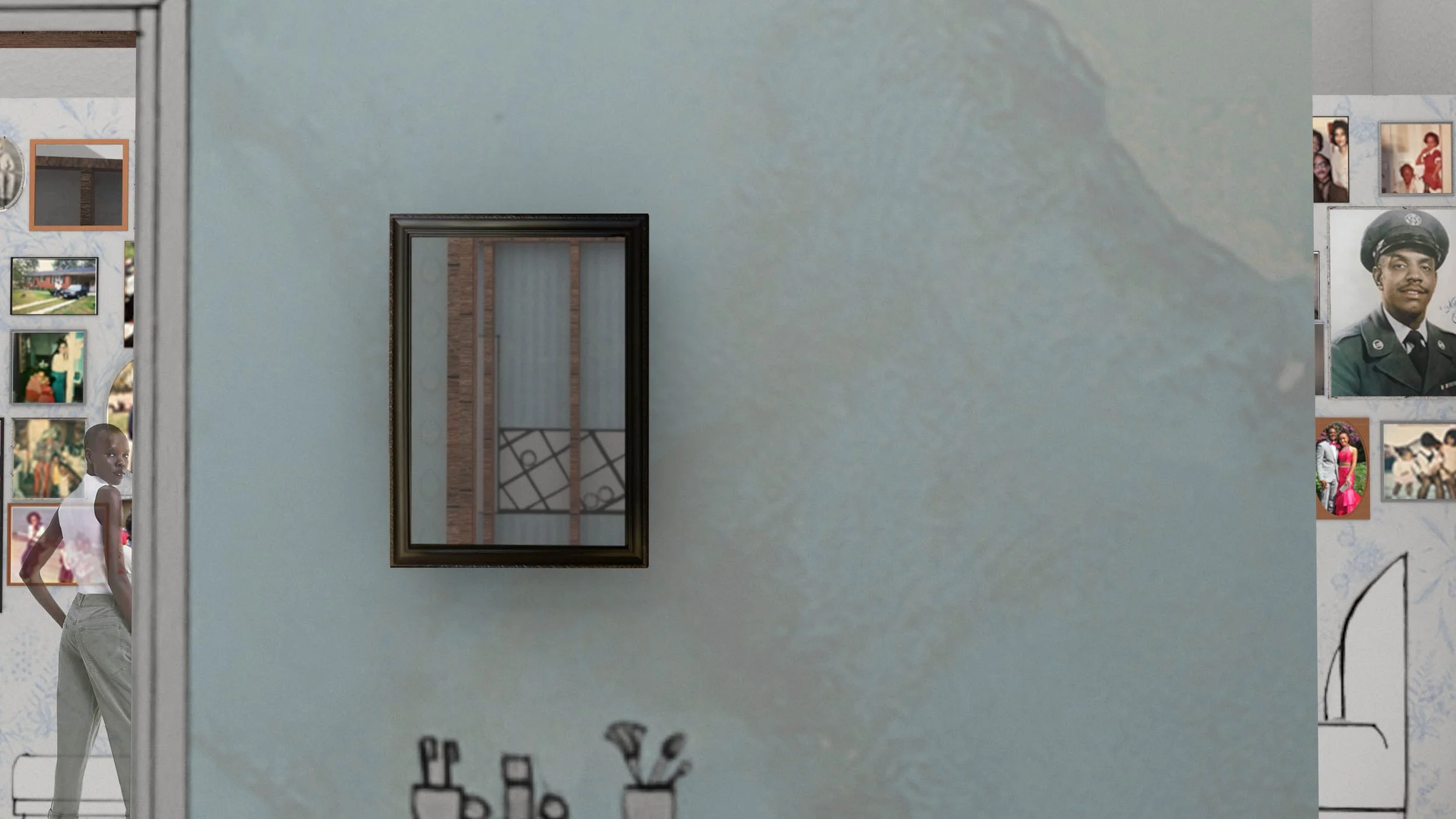
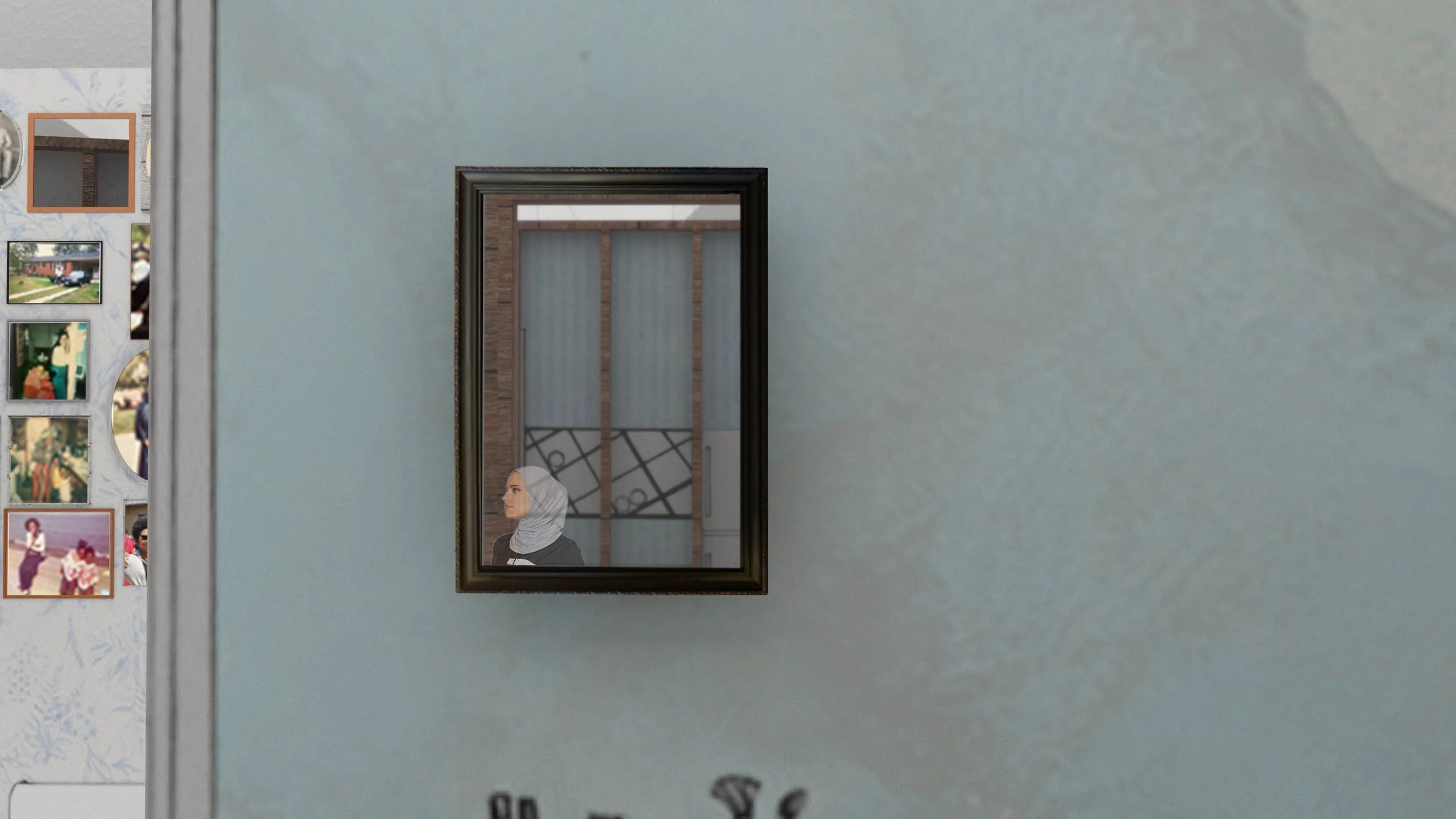
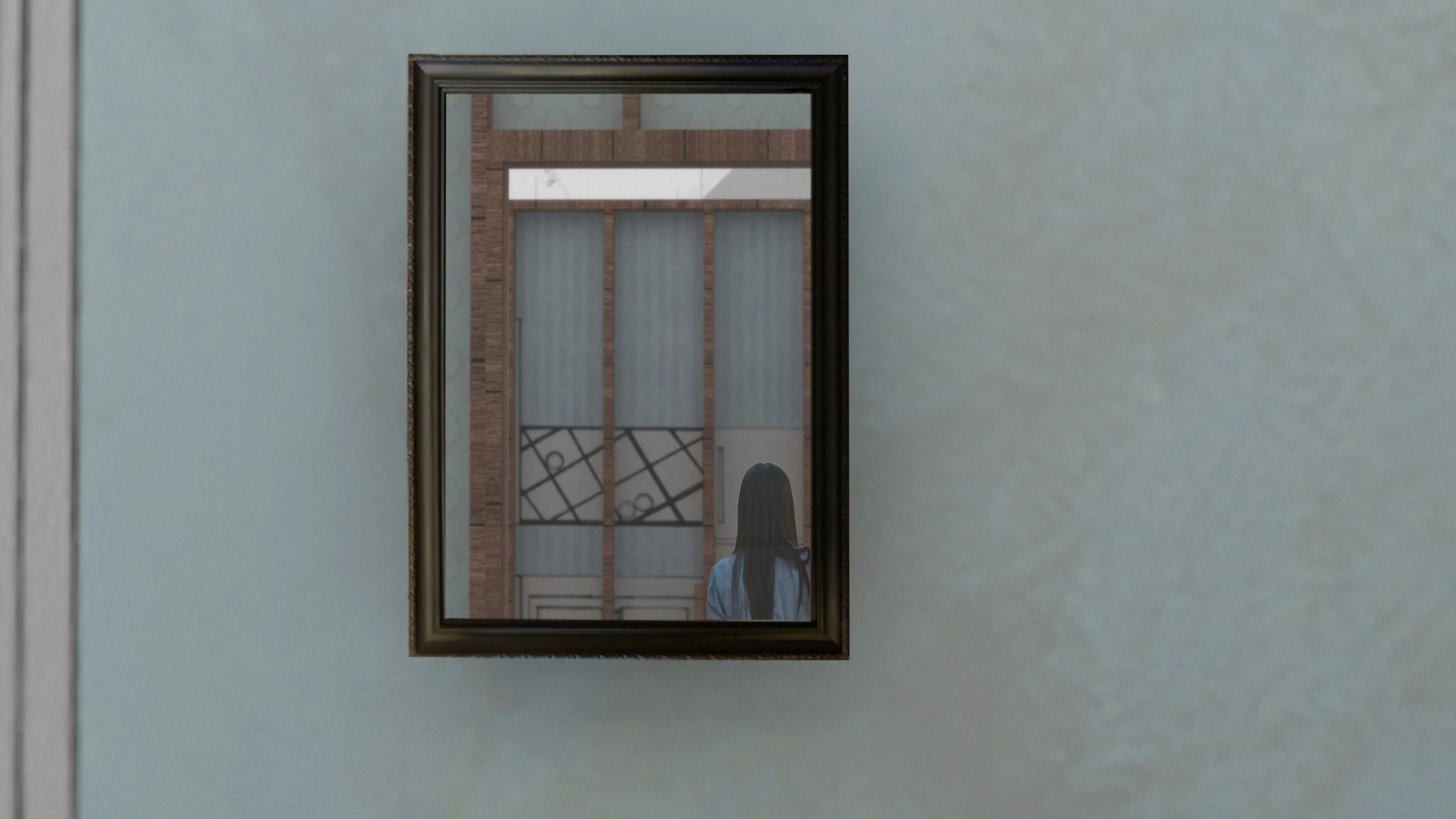
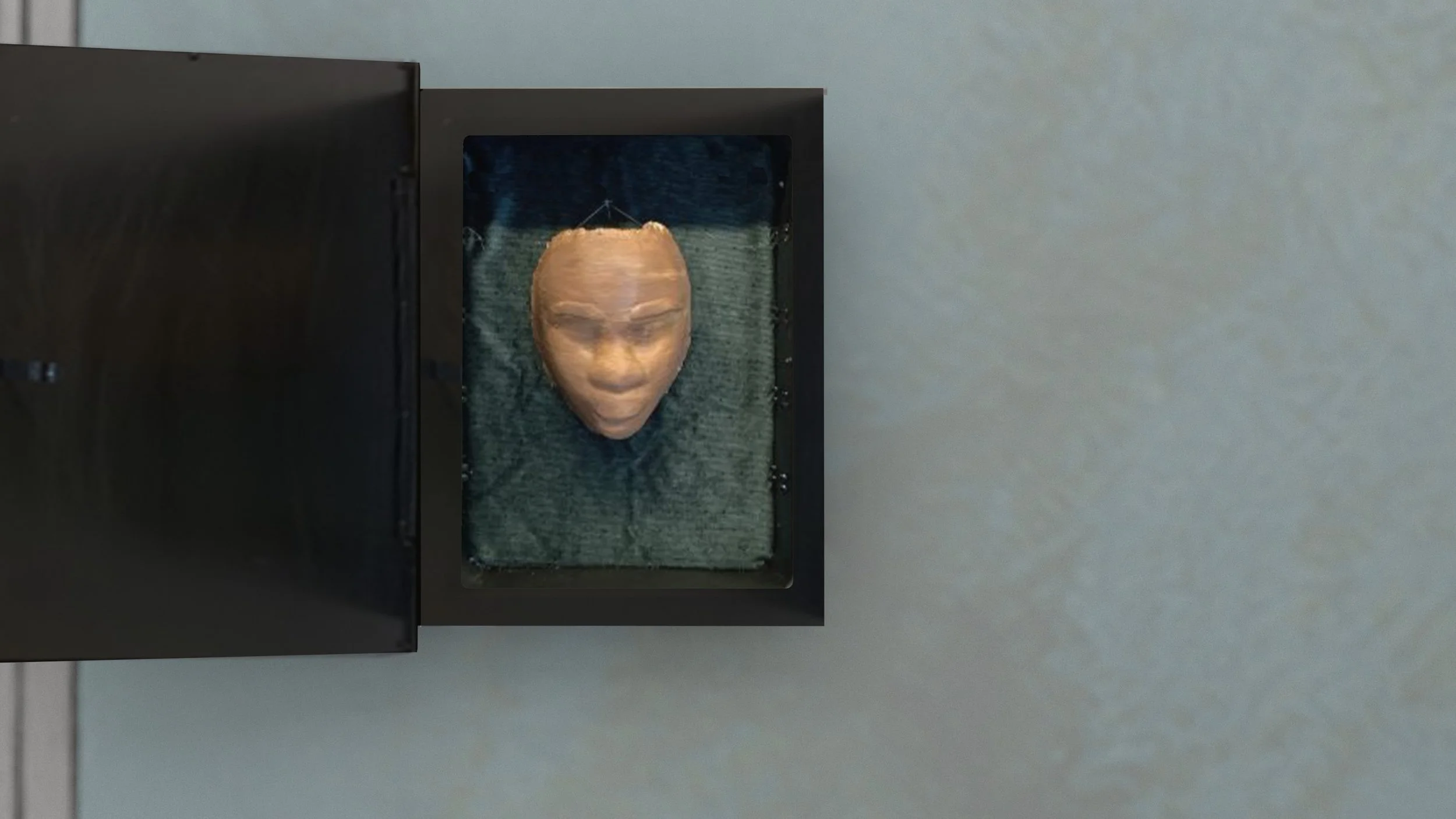
It is a balancing act between what one wishes to be and what society wishes for them to be.
It determines the perception of self.
The Other has constantly been subjected to imagery that serves to make them seem strange and less than. Those with power demand that the Other either reflect the stereotypes placed upon them, or assimilate into what society deems to be the “norm”.
The cultivation of the image, the crafting and stitching together of the presented self is to don a mask, to prepare for the day’s performance.
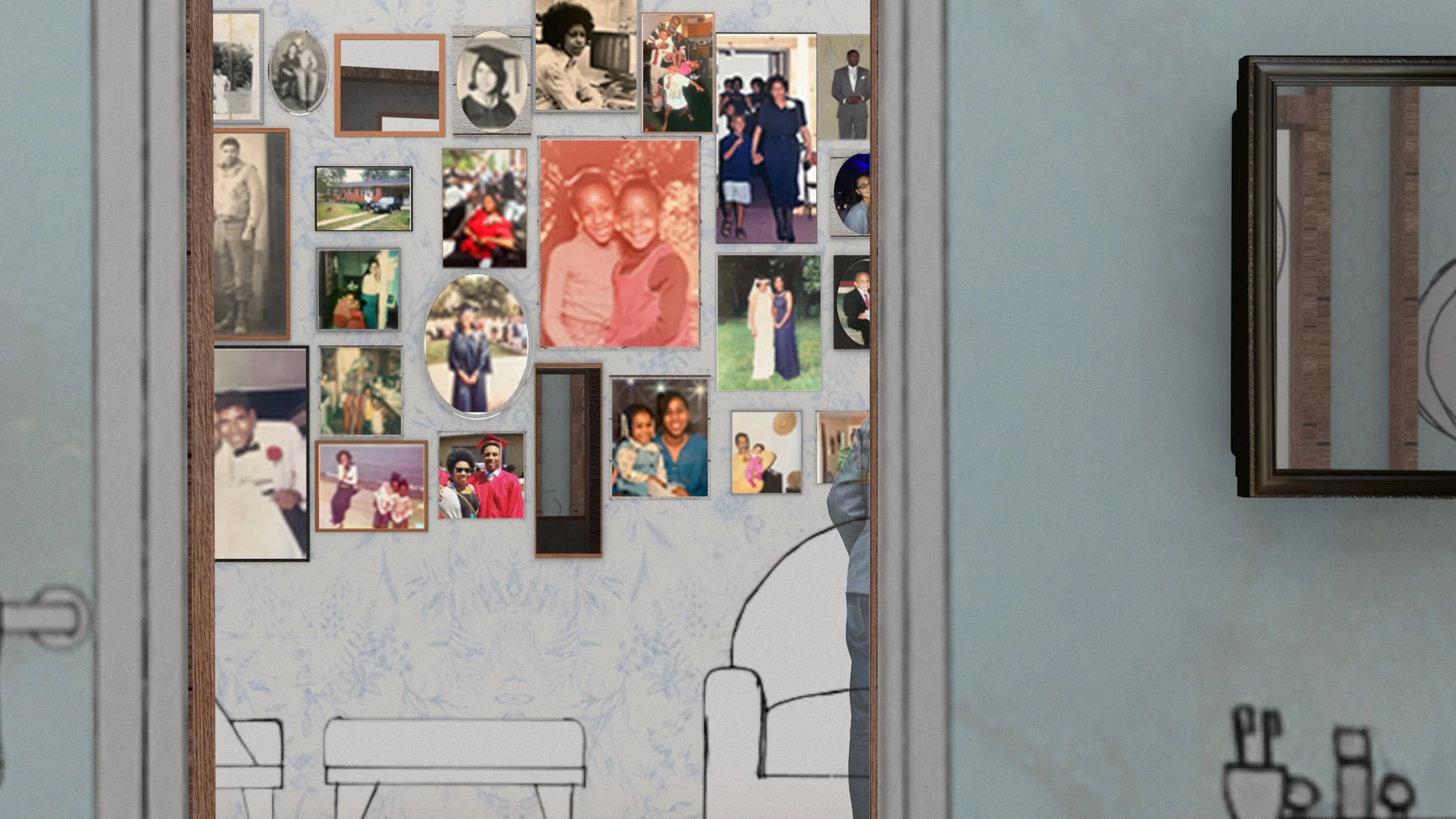
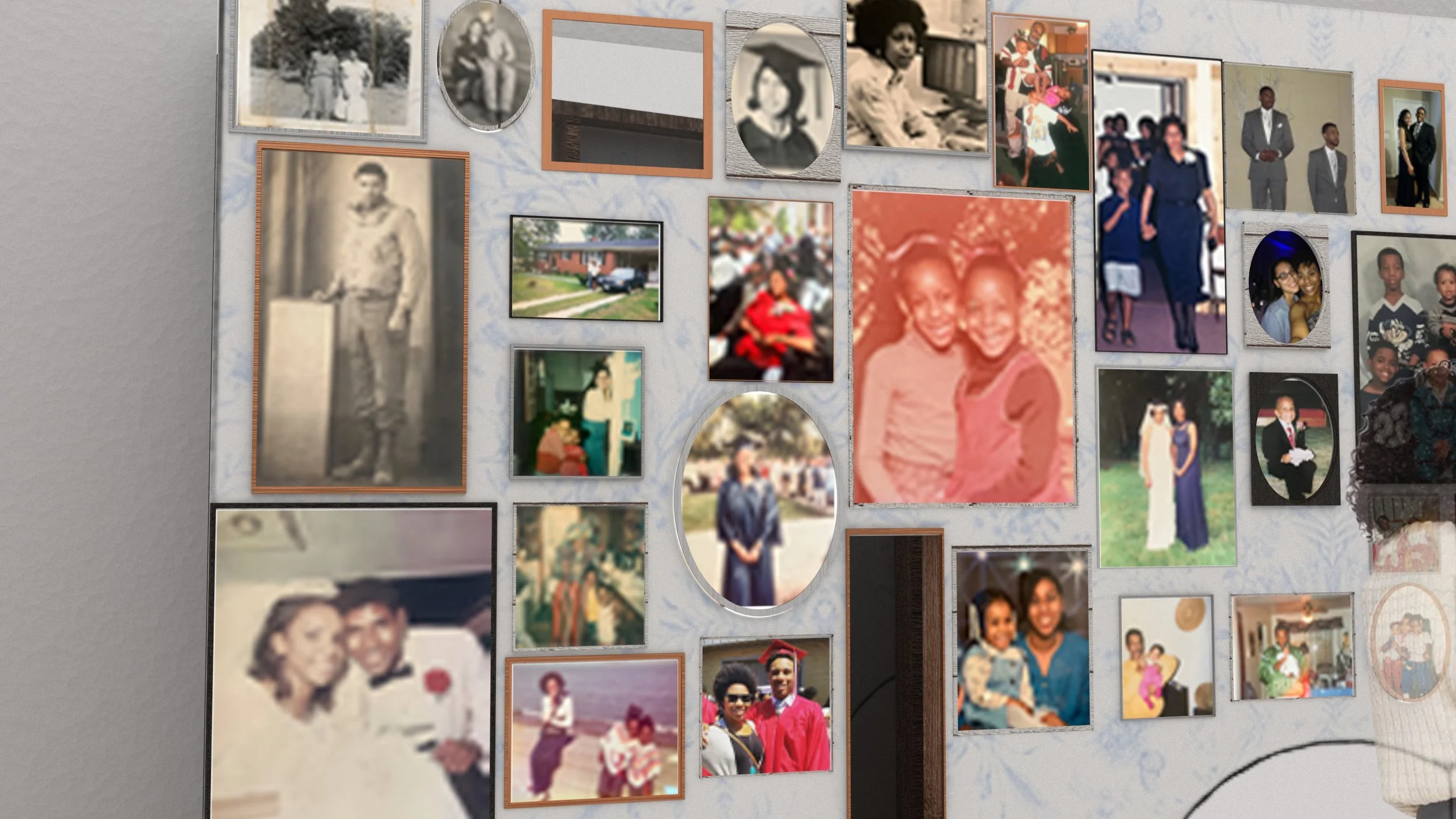
Knowing from where one comes, being able to trace the past to bring shape to their present, is a privilege many have been denied.
Denied of being able to put a name to a face.
A title to a story.
A caption to an image.
Every image has a story to tell.
They tell stories of heritage and pride,
embrace family and community,
mourn tragedy and celebrate life,
document and preserve memories.
The portrait gallery celebrates and honors past moments that together comprise the present self, highlights given, chosen, and found family.
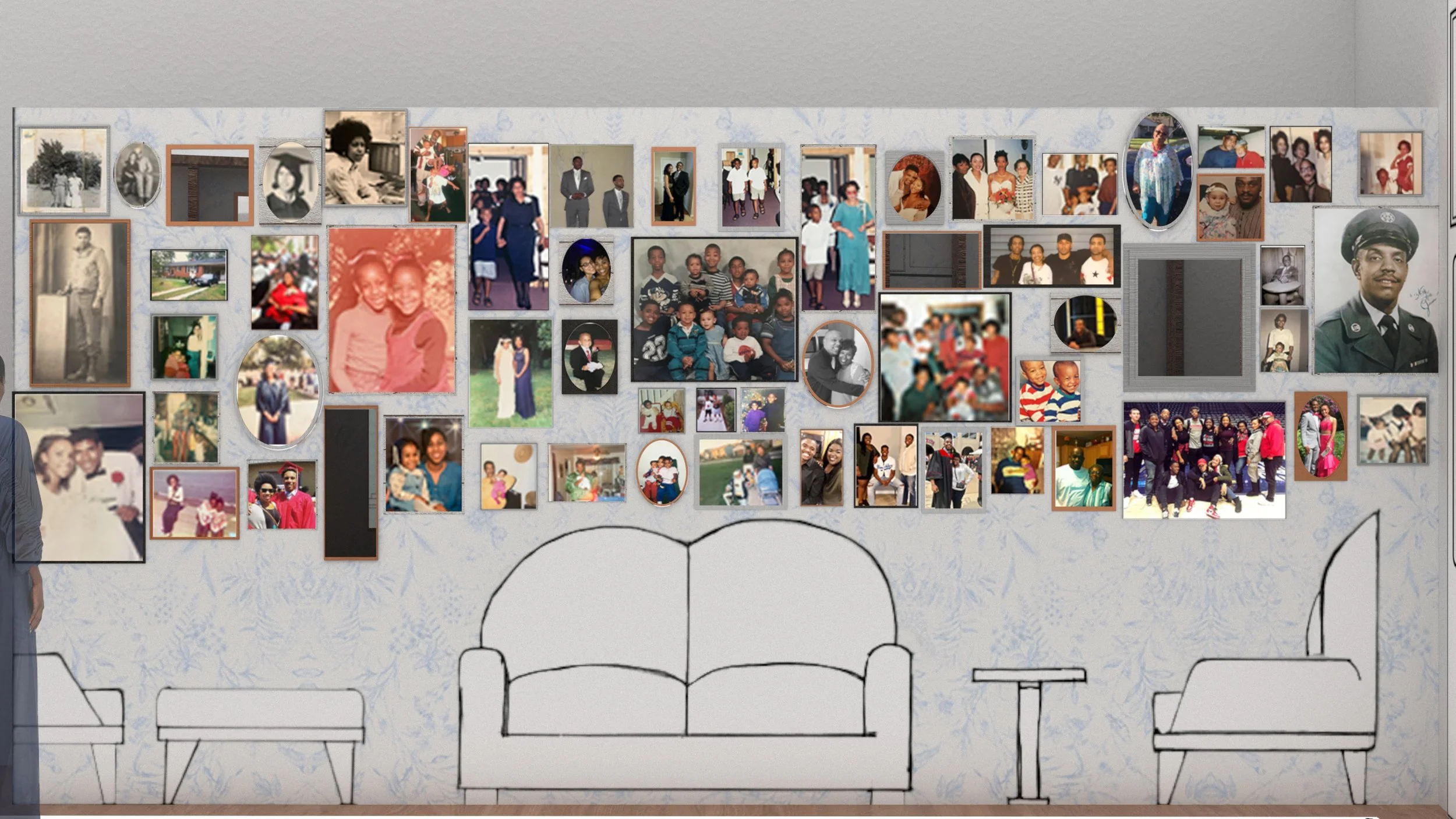
Thank you for visiting The Objects of Othering, the Othering of Objects and starting the journey of uncovering some of the stories and images that have been hidden away, so that they may be brought back into the light.
To continue the journey, please visit our gift shop.